New York · CCC School partnership since 2022
Six CCC student volunteers spent the first week of August in Changhua — teaching English at a rural elementary school each morning, and meeting Taiwanese high schoolers each afternoon. The week is done; here is what it looked like.
After the trip
Every day of the visit, cut into a short film — mornings at Jhonghe Elementary, afternoons across Changhua. Tap a card to play.整週活動剪成九支紀錄短片,點一下即可播放。
Photo highlights
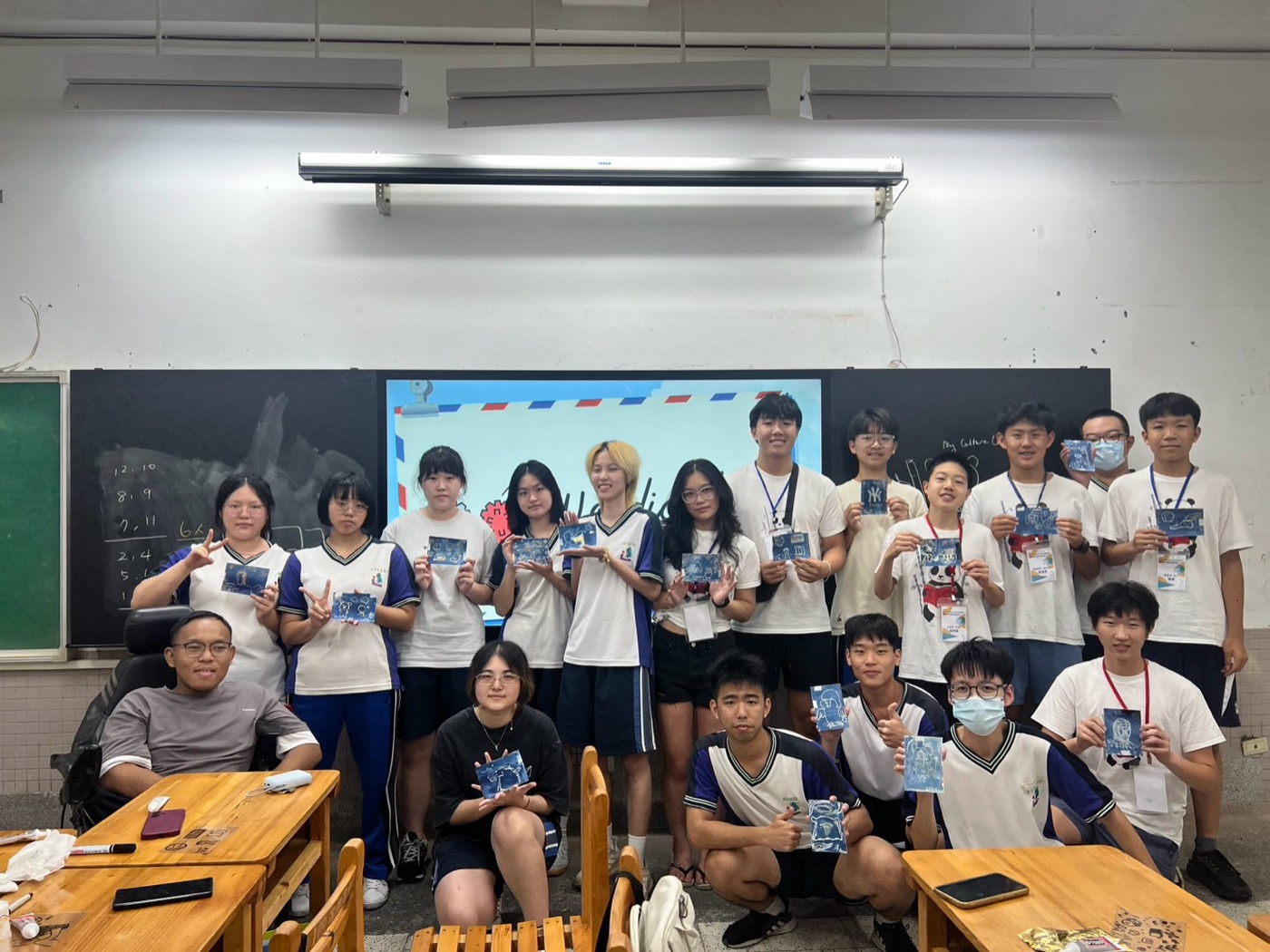
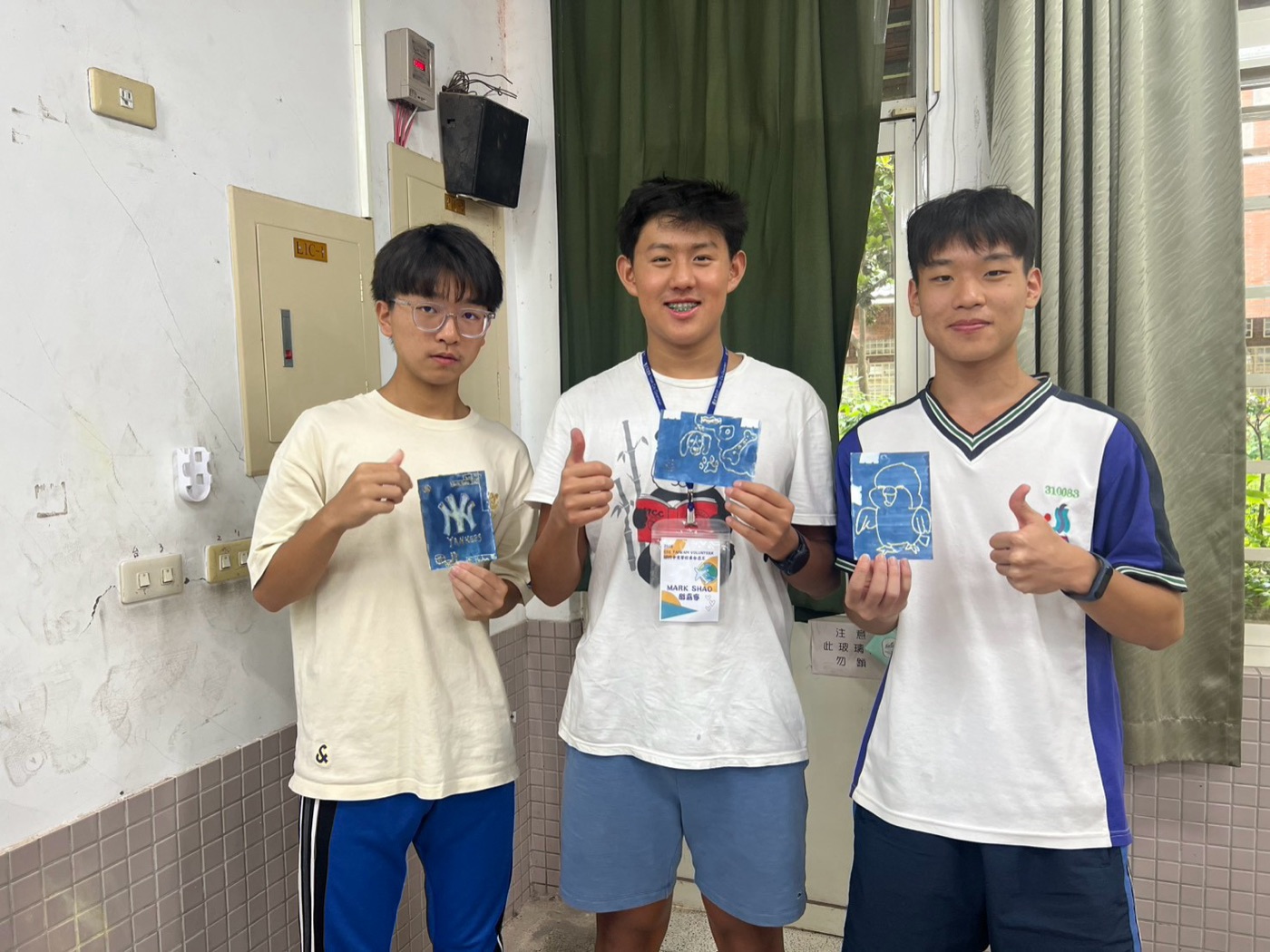
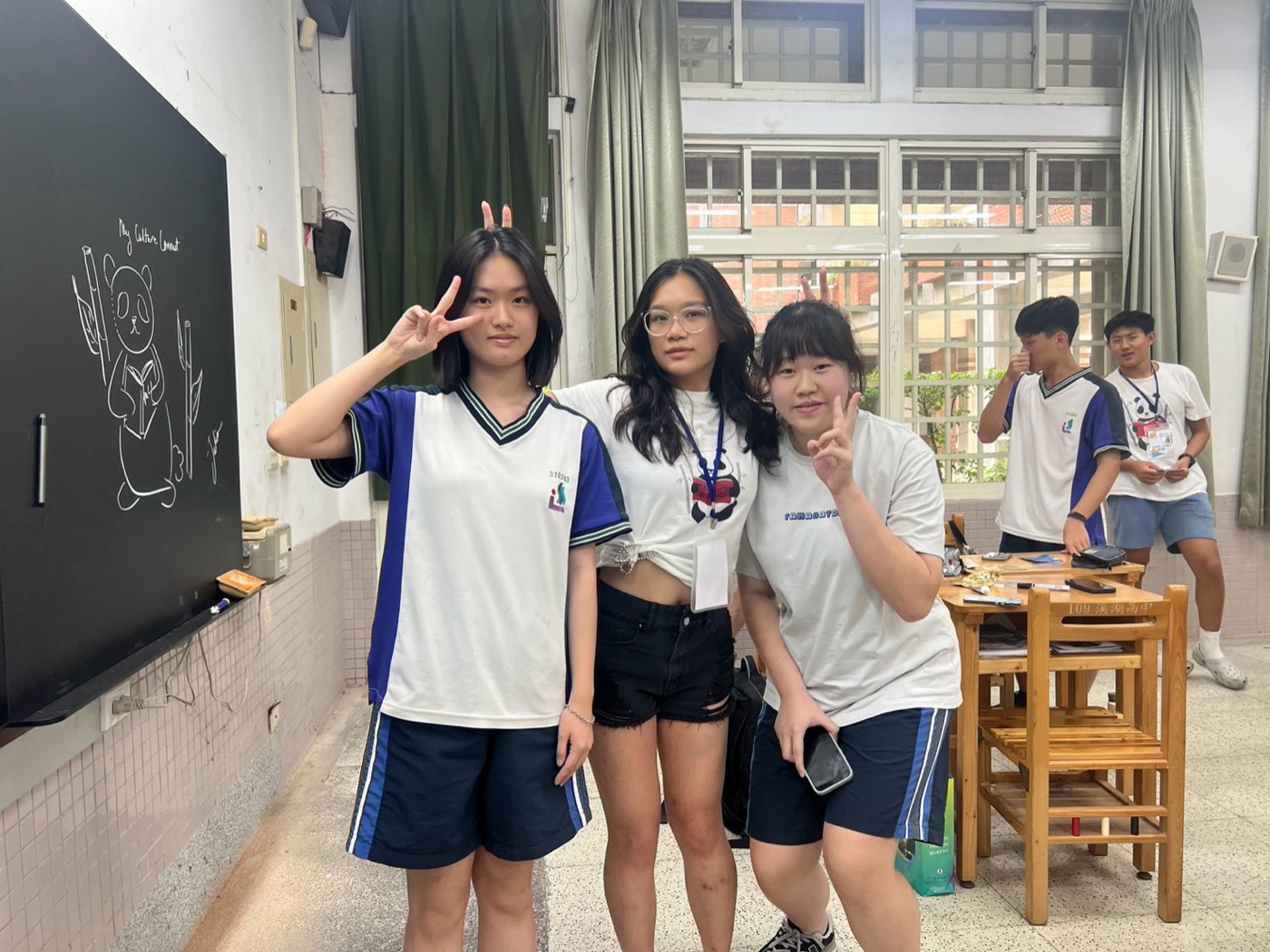
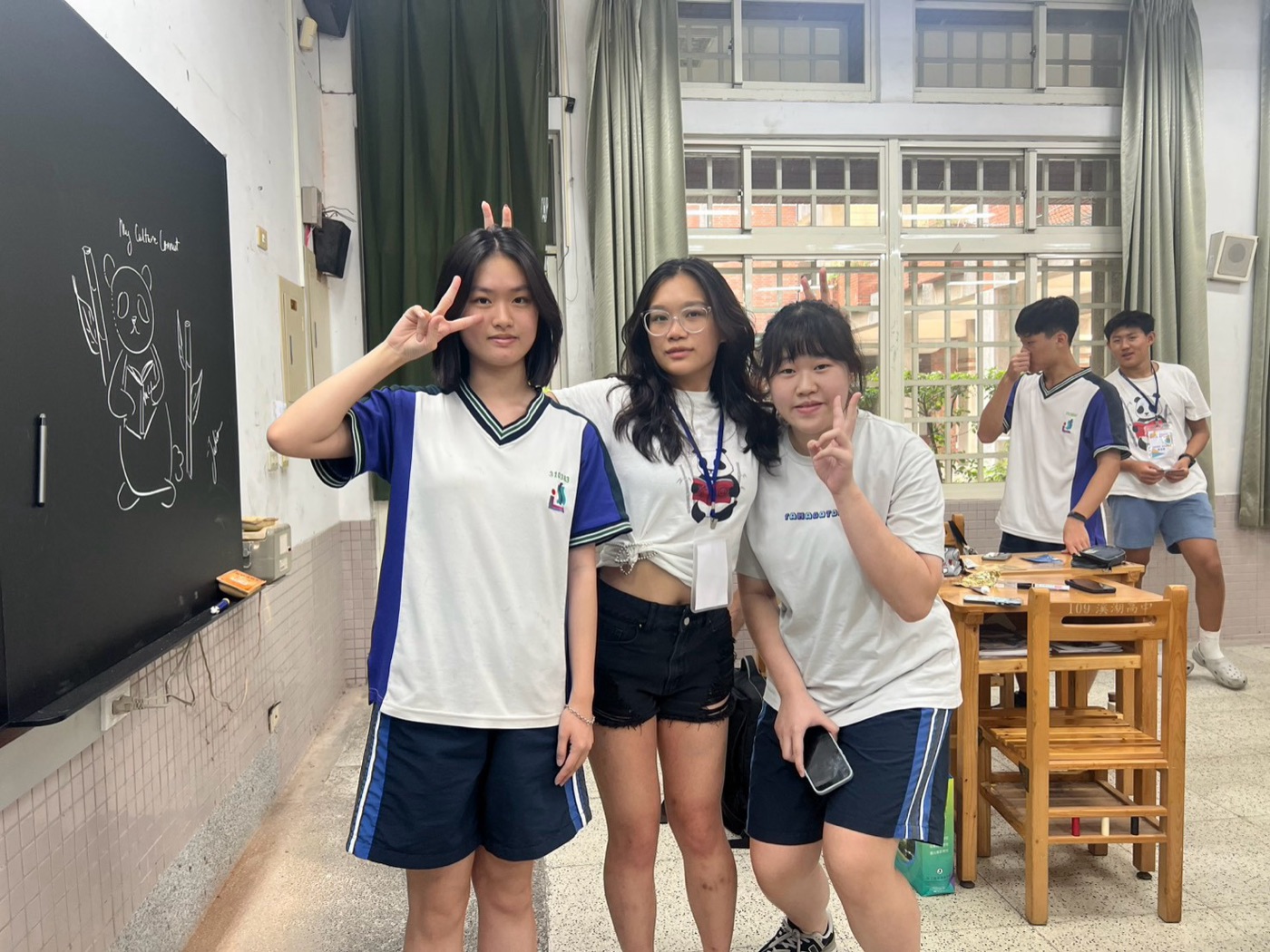
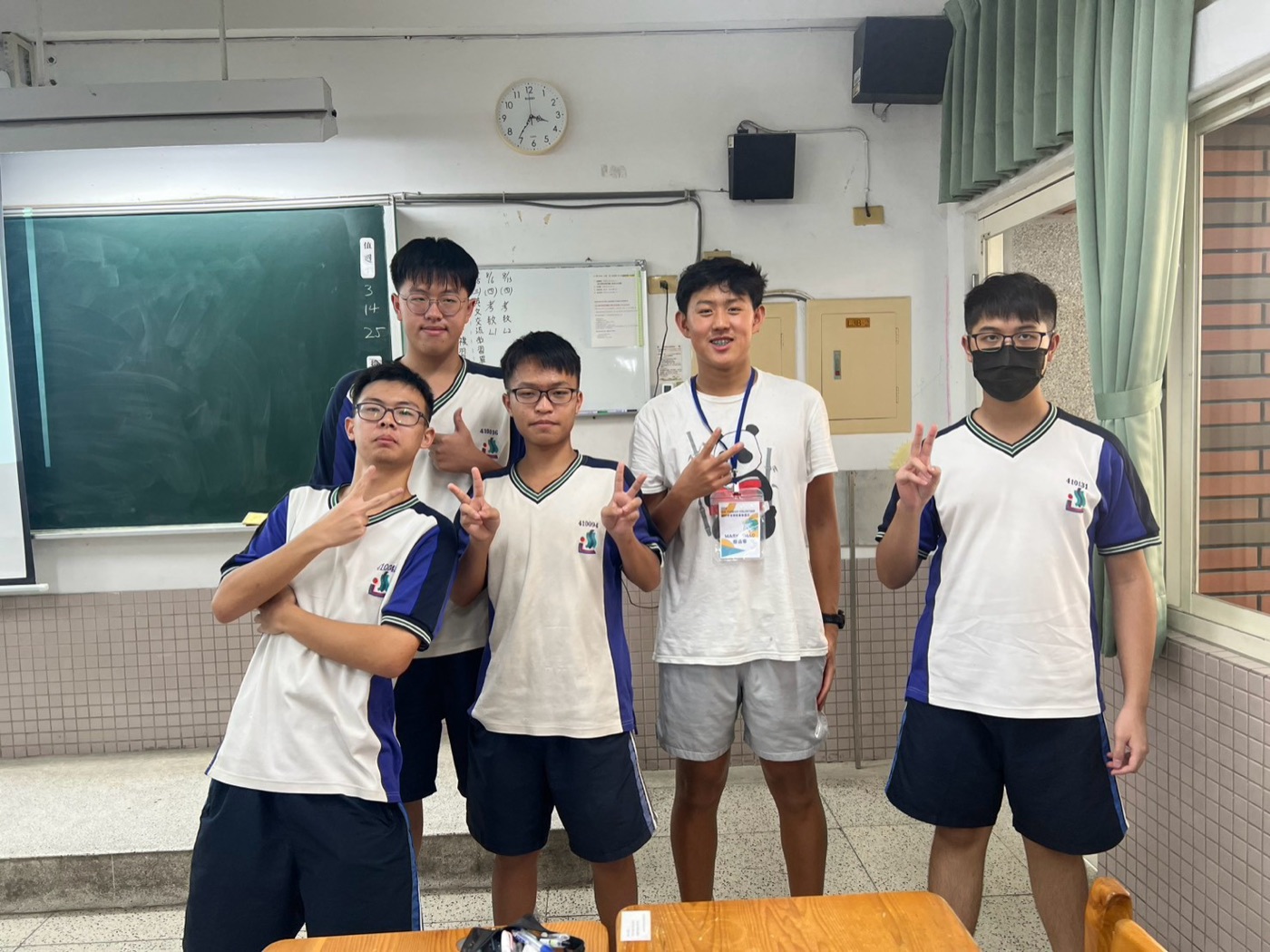
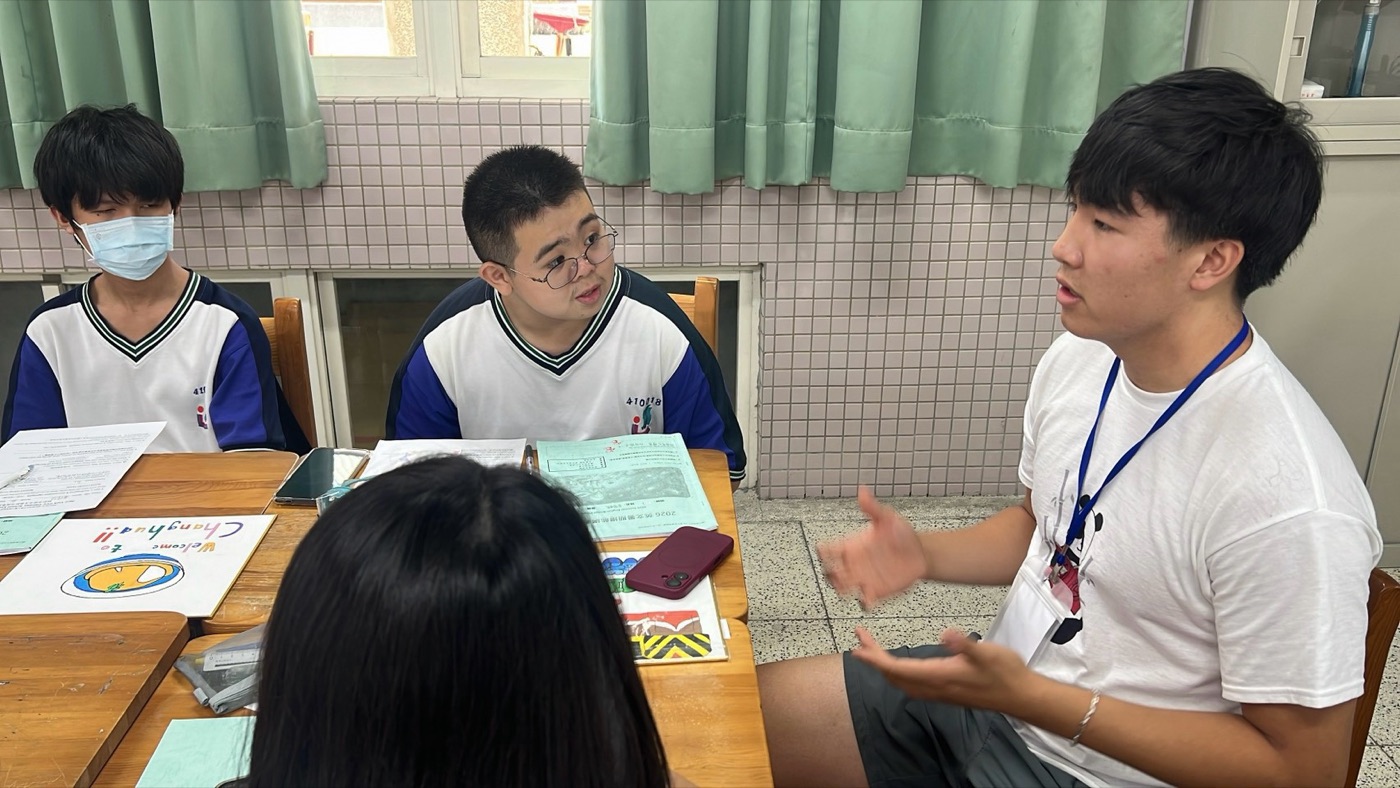
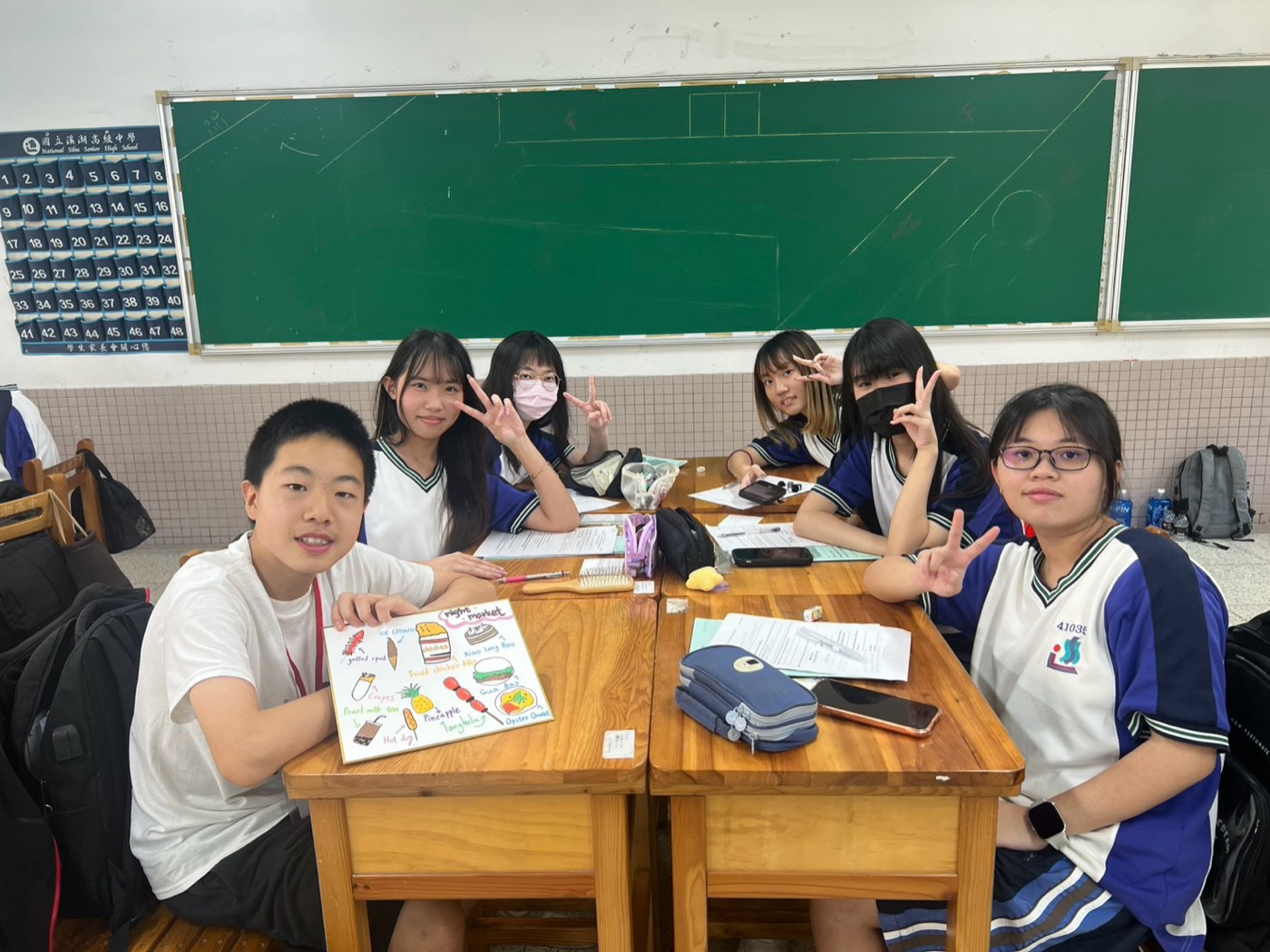
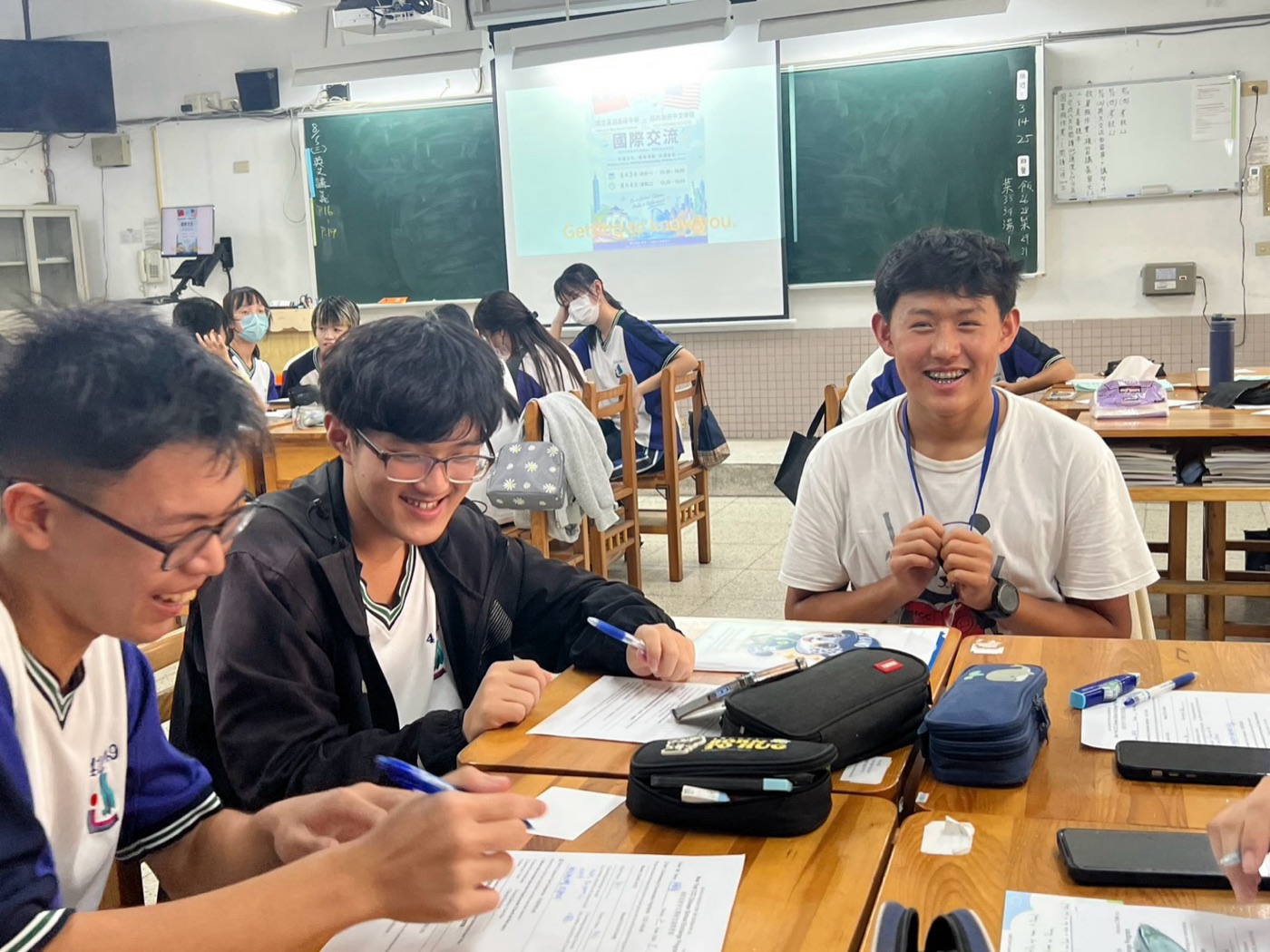
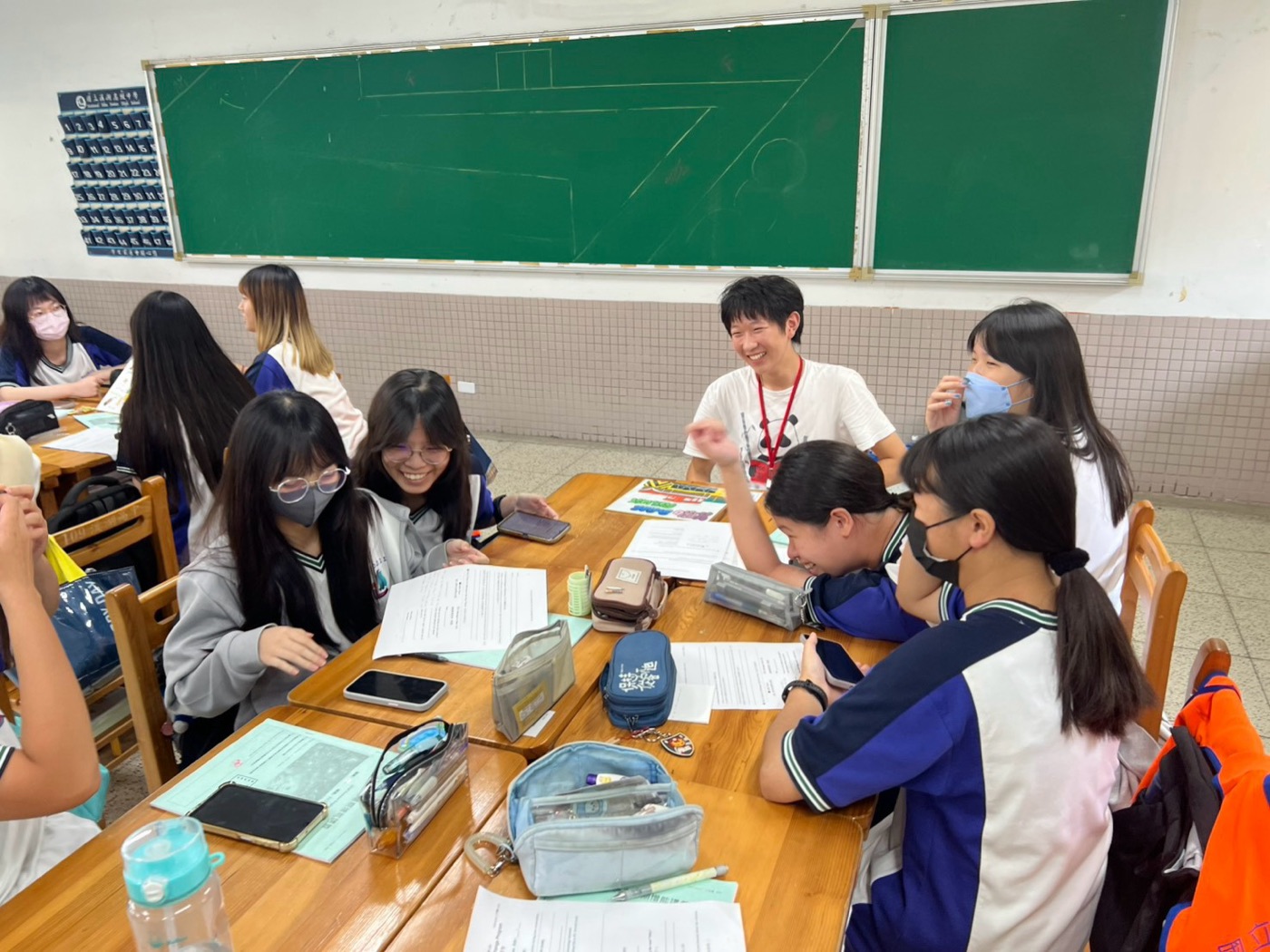
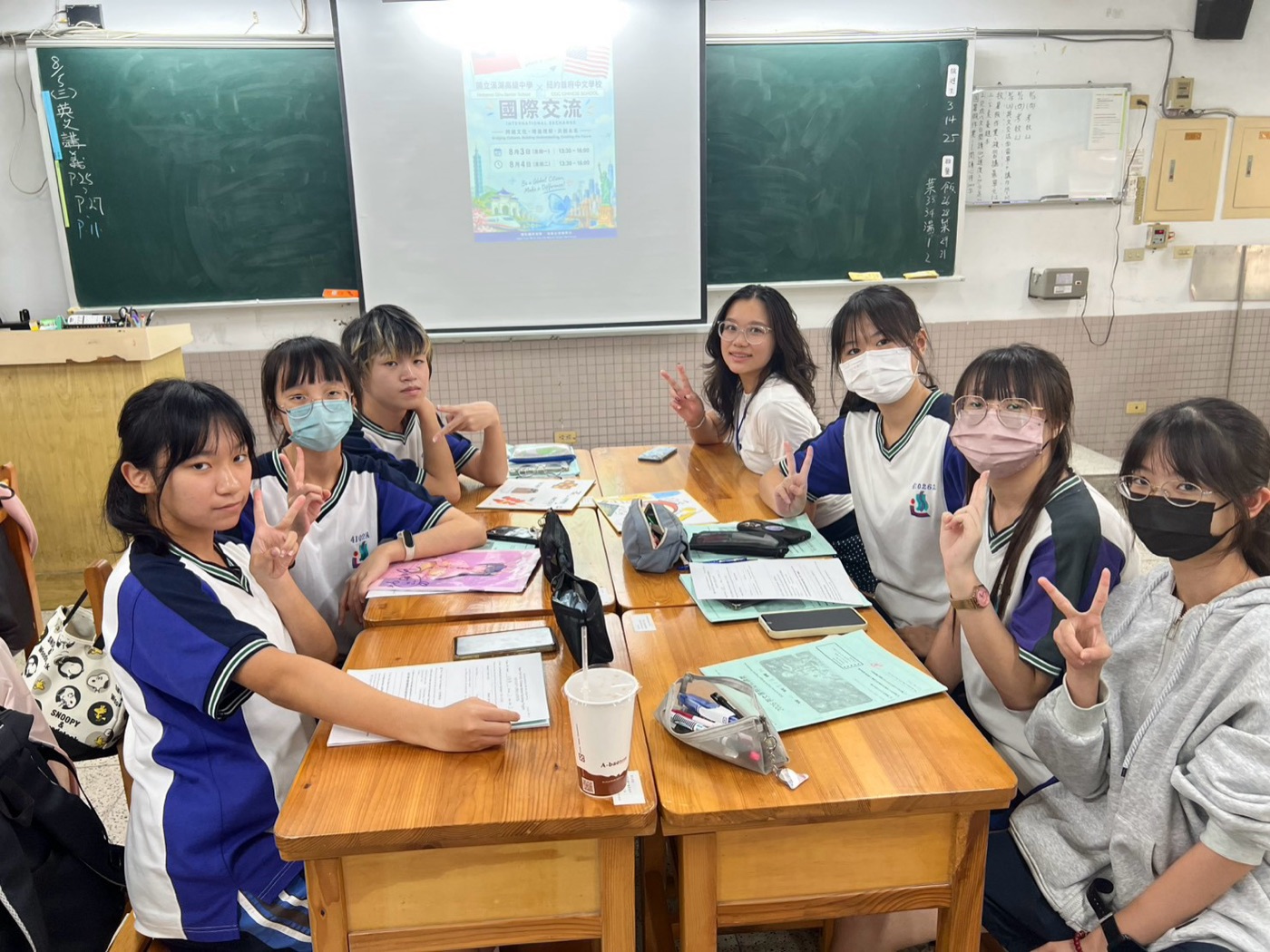
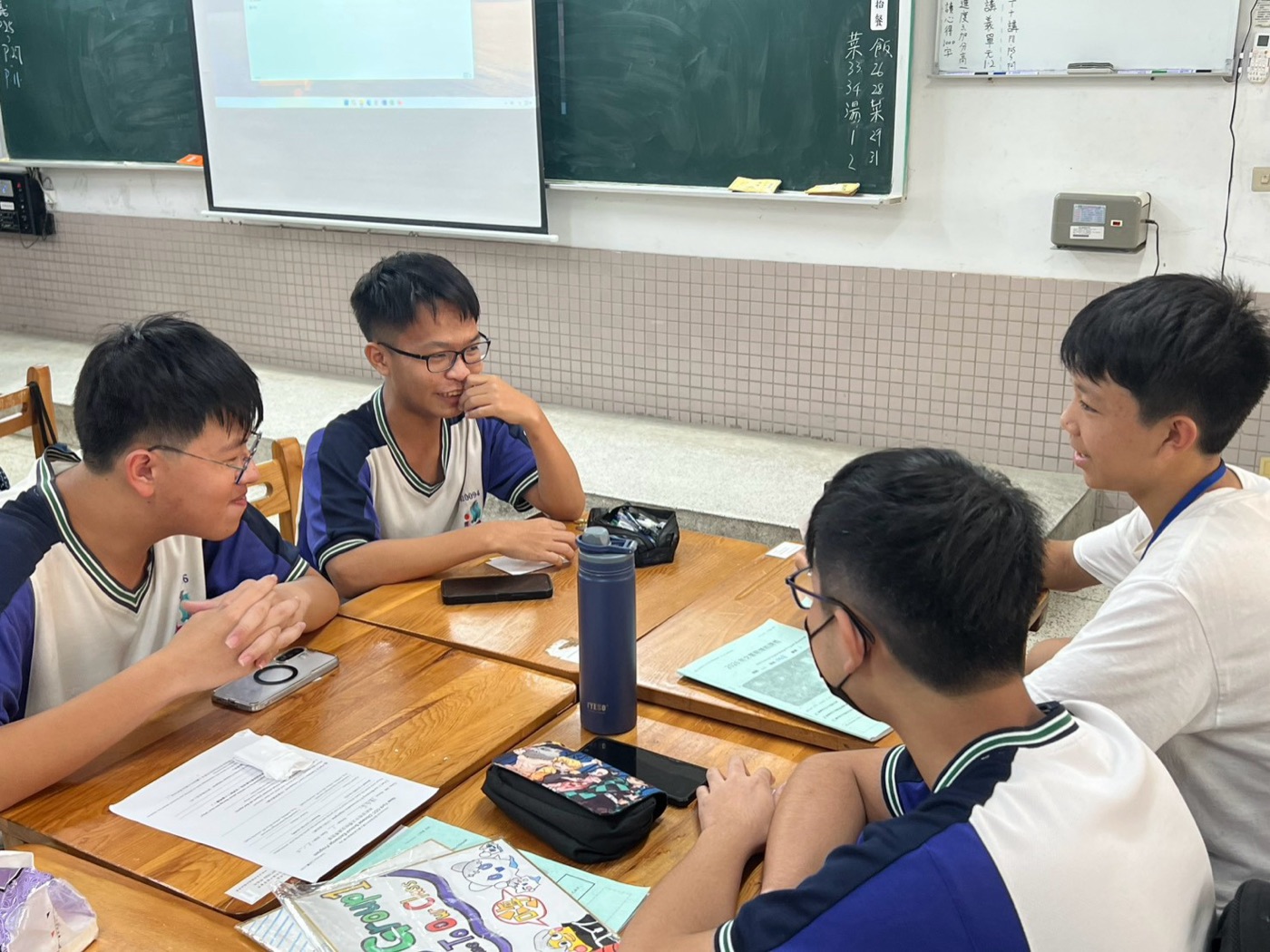
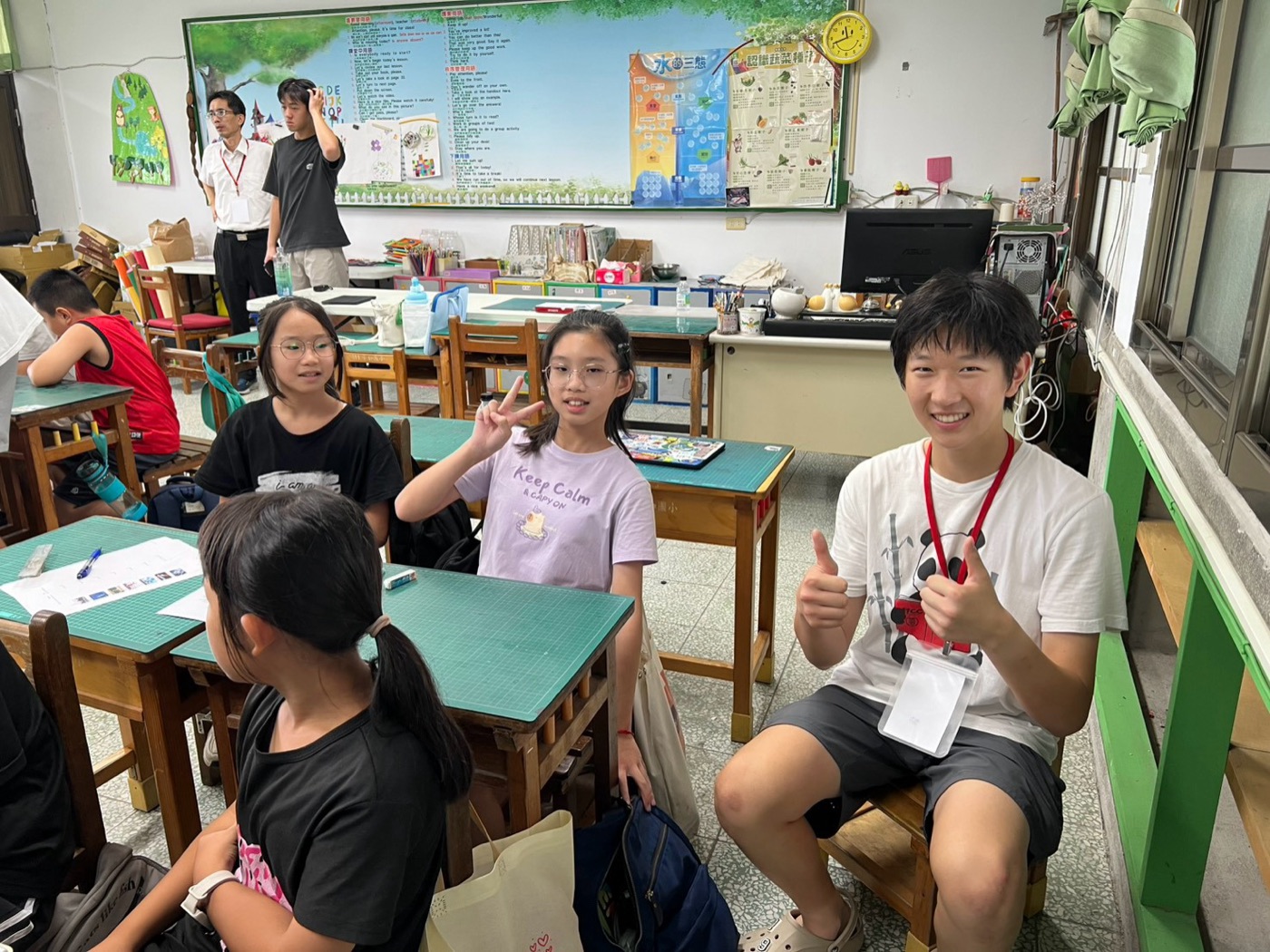
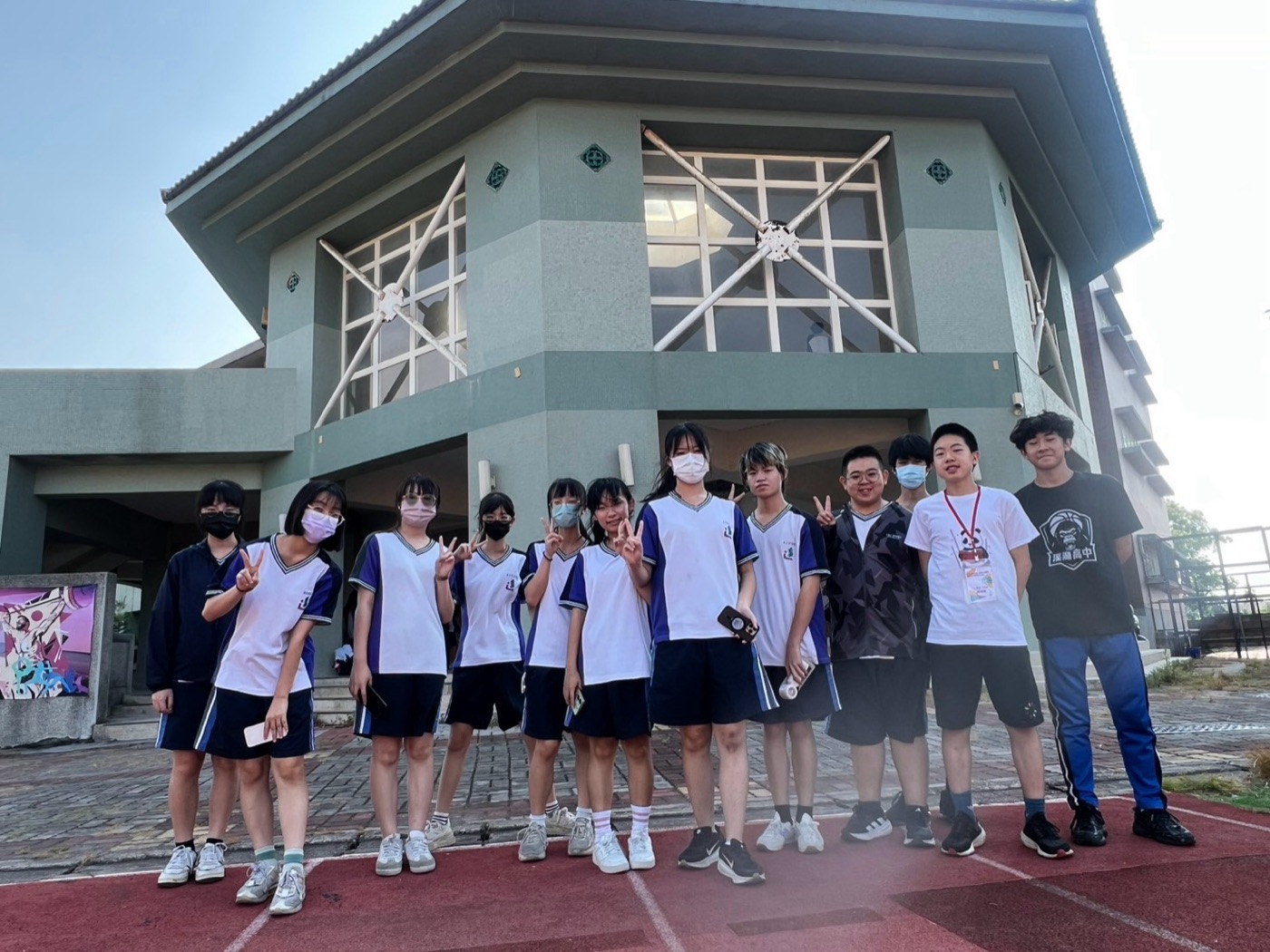
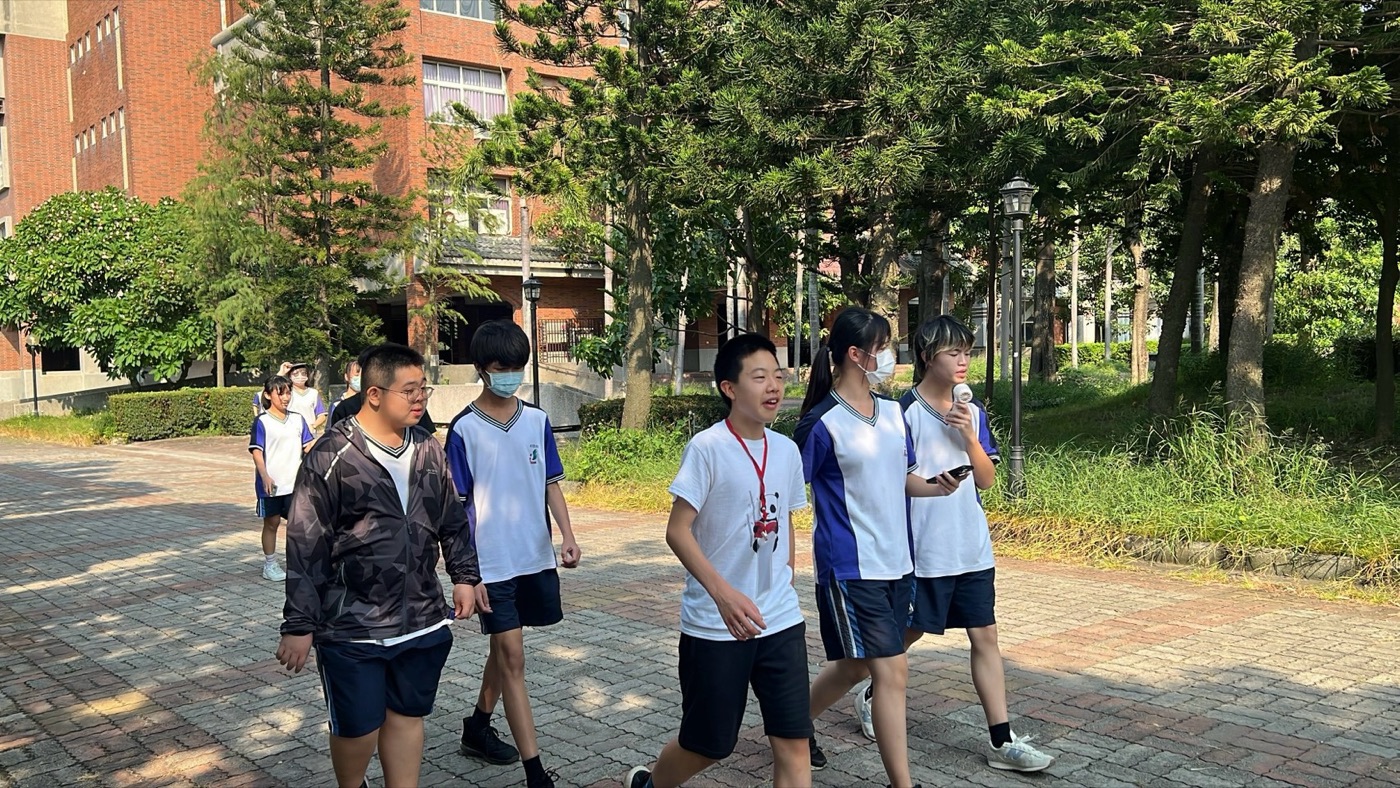
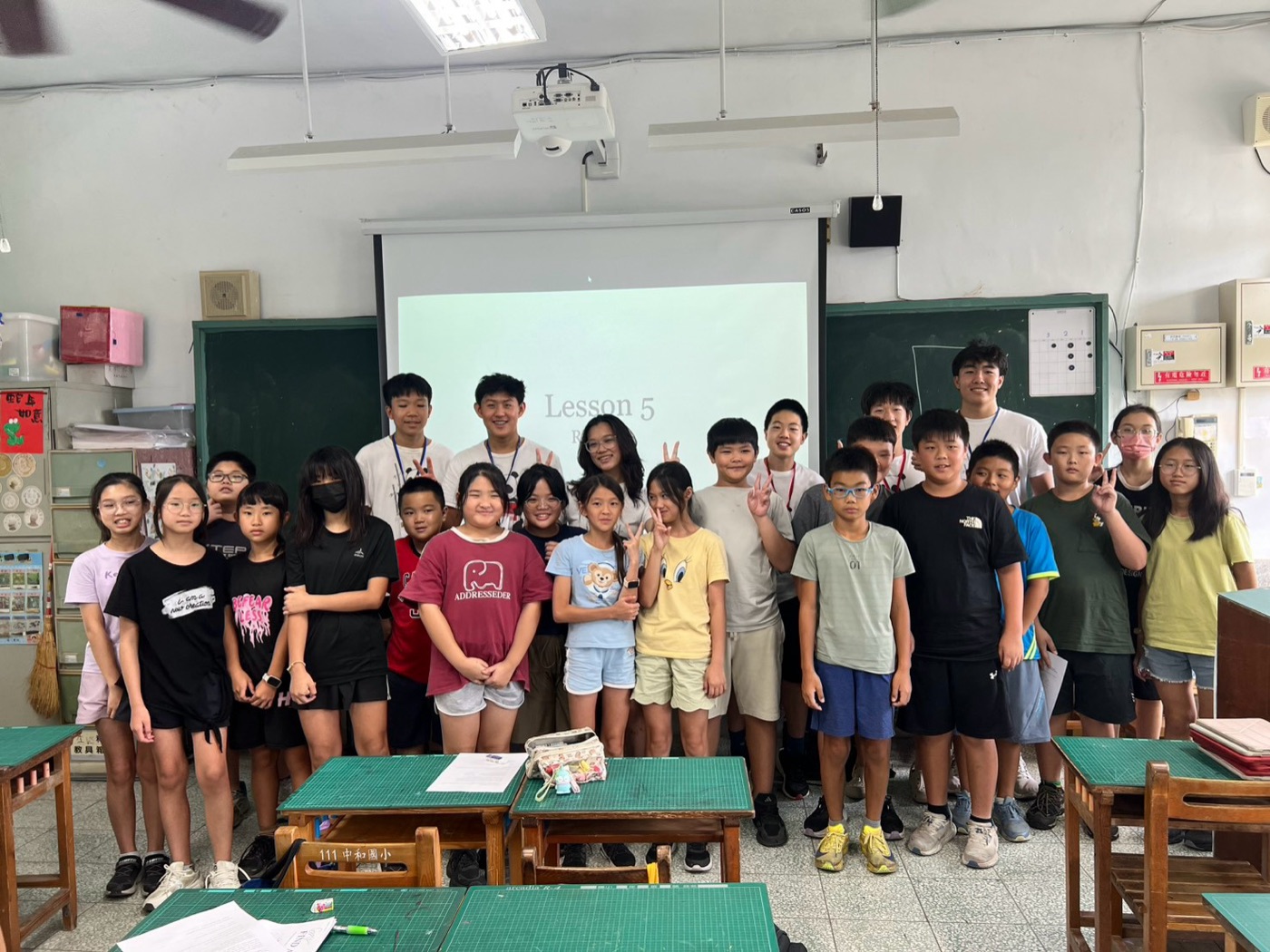
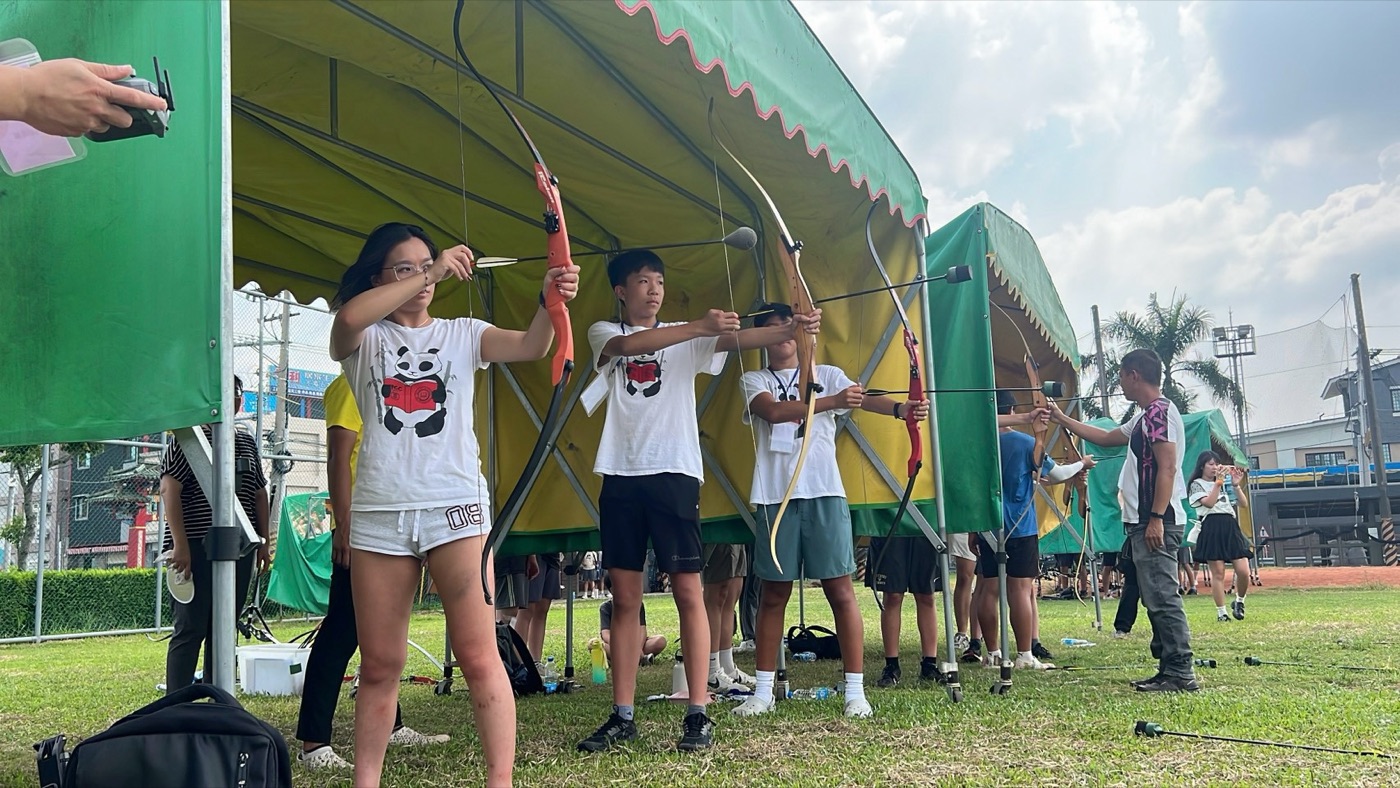
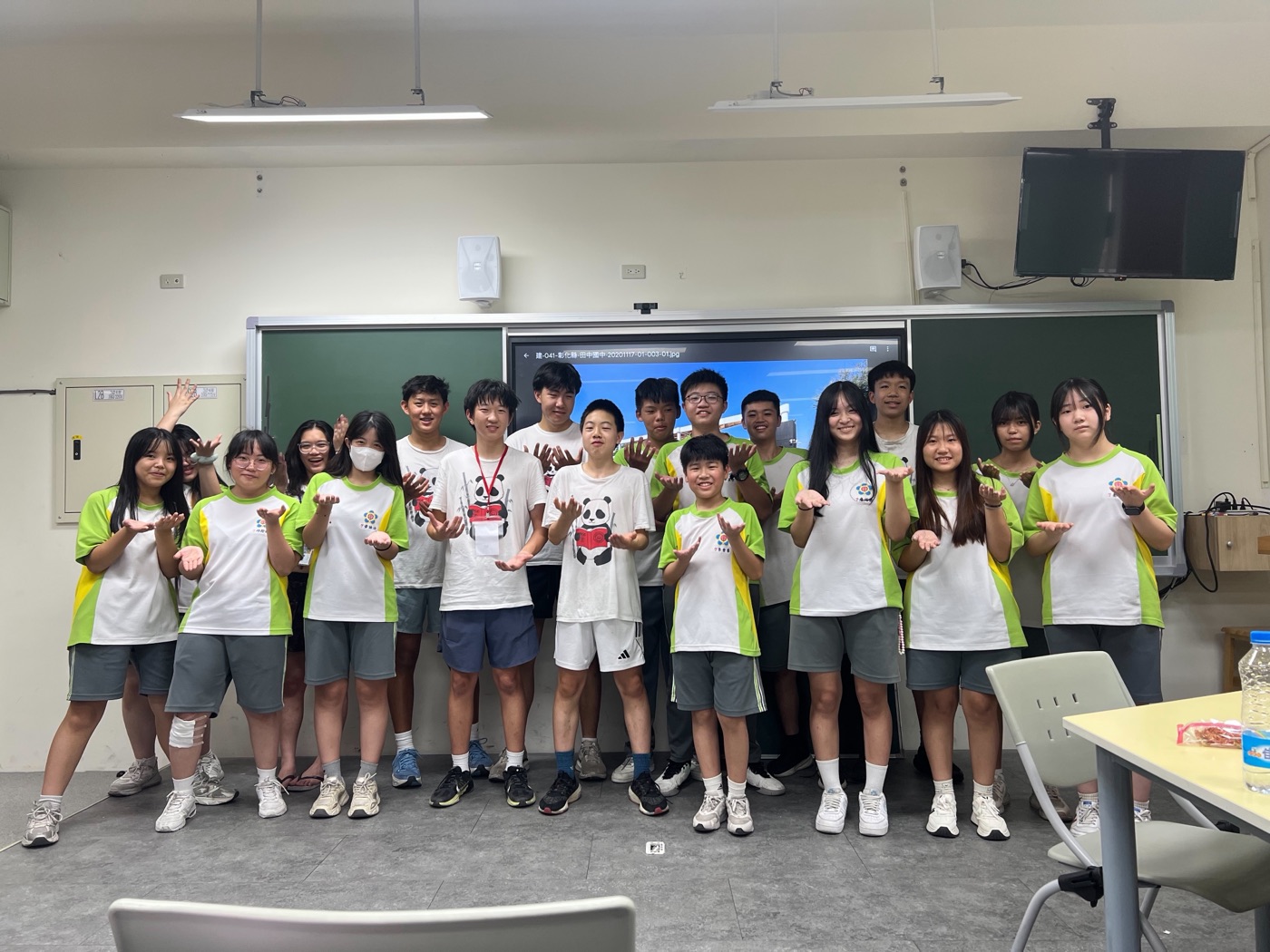
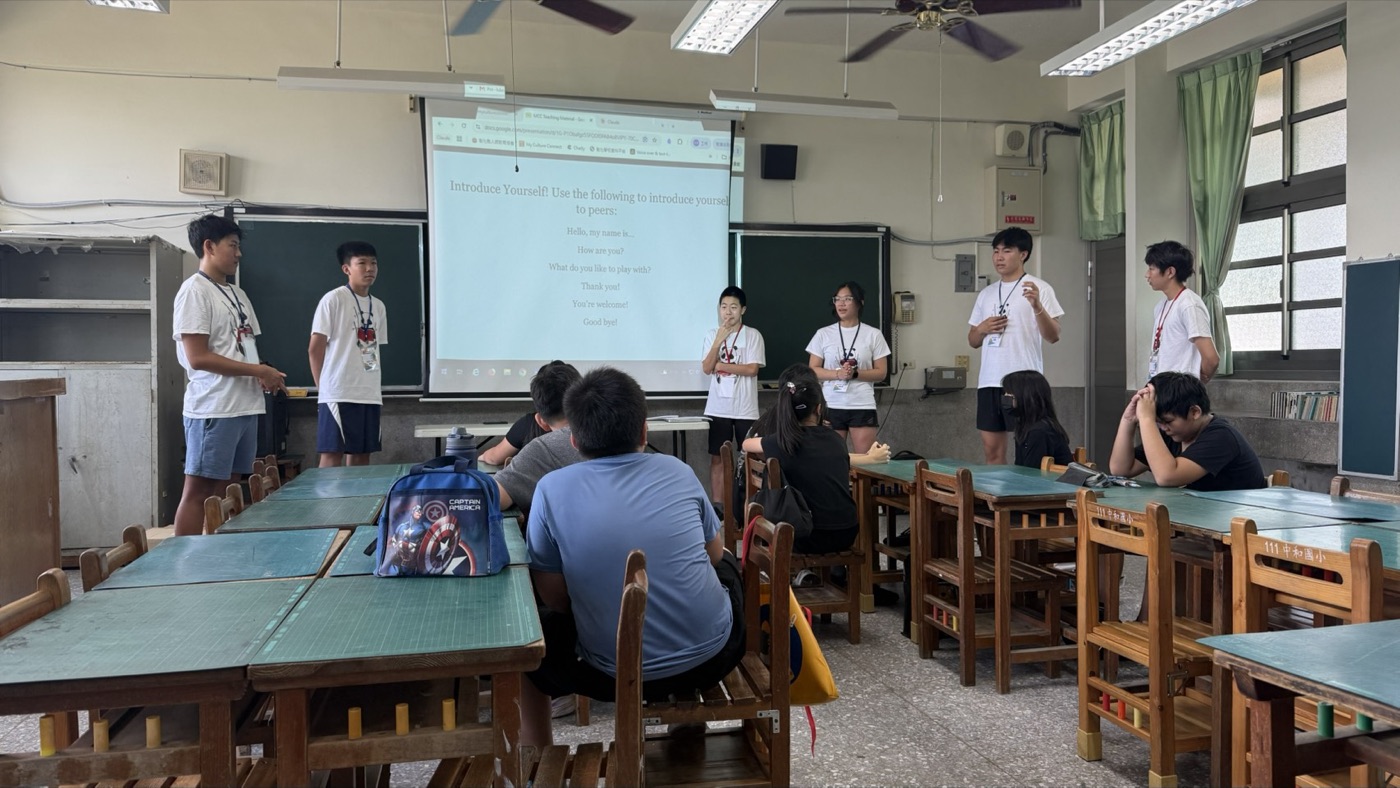
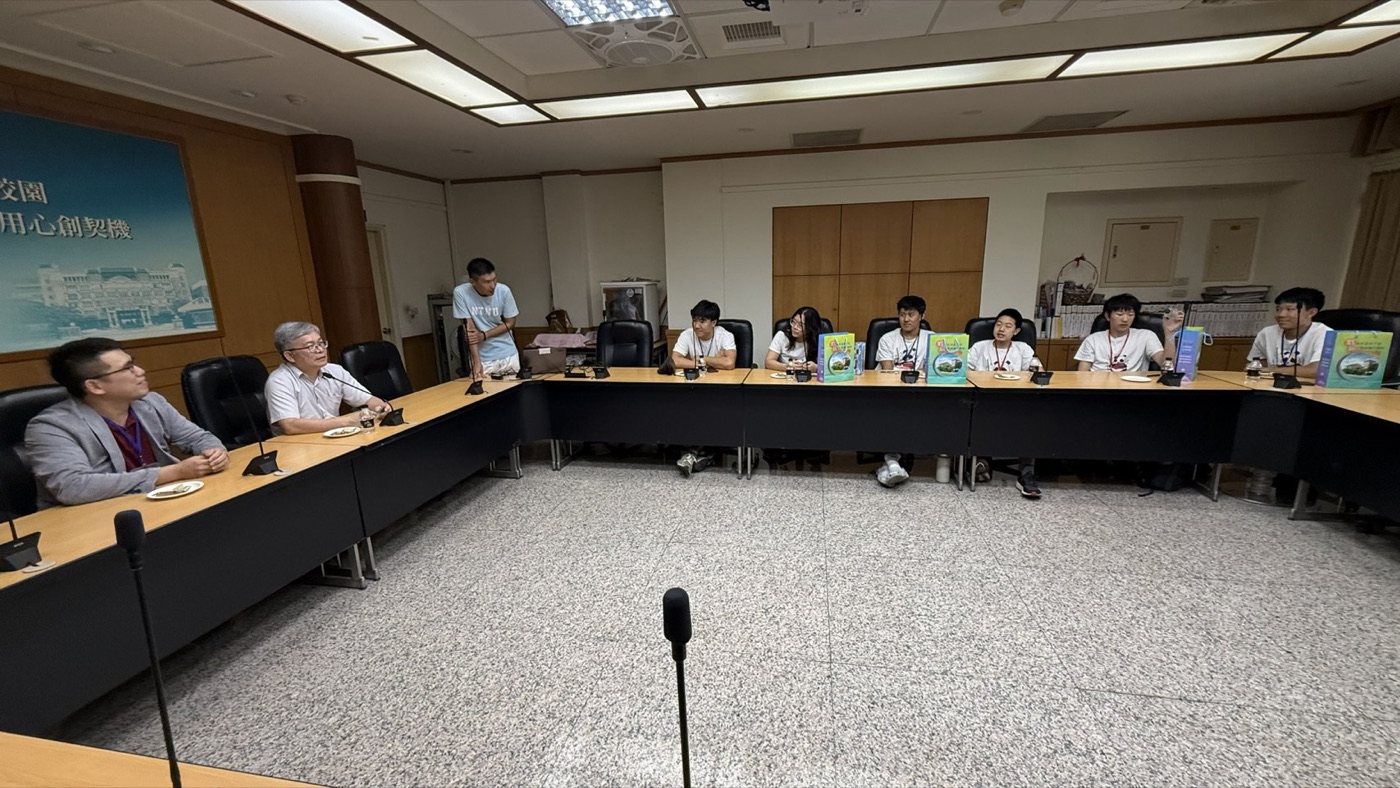
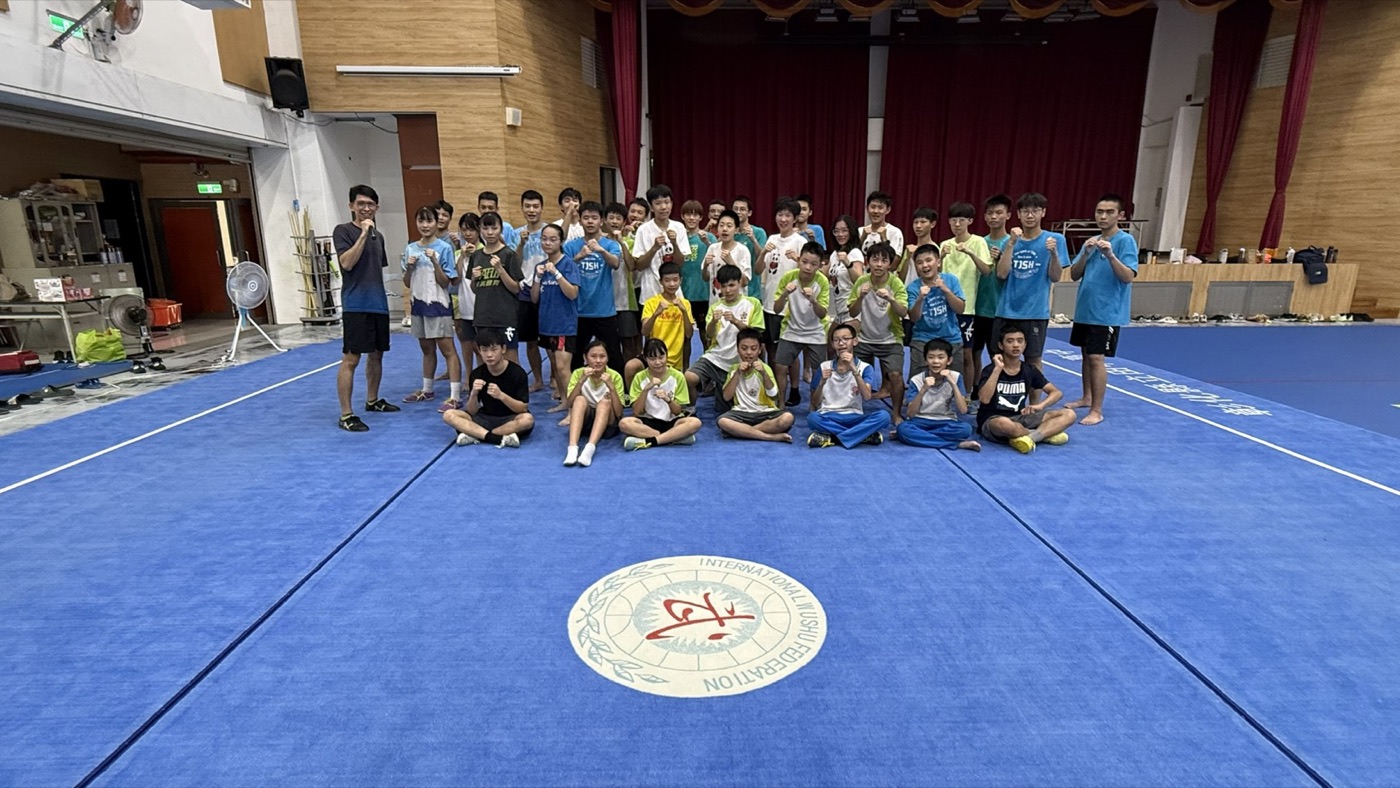
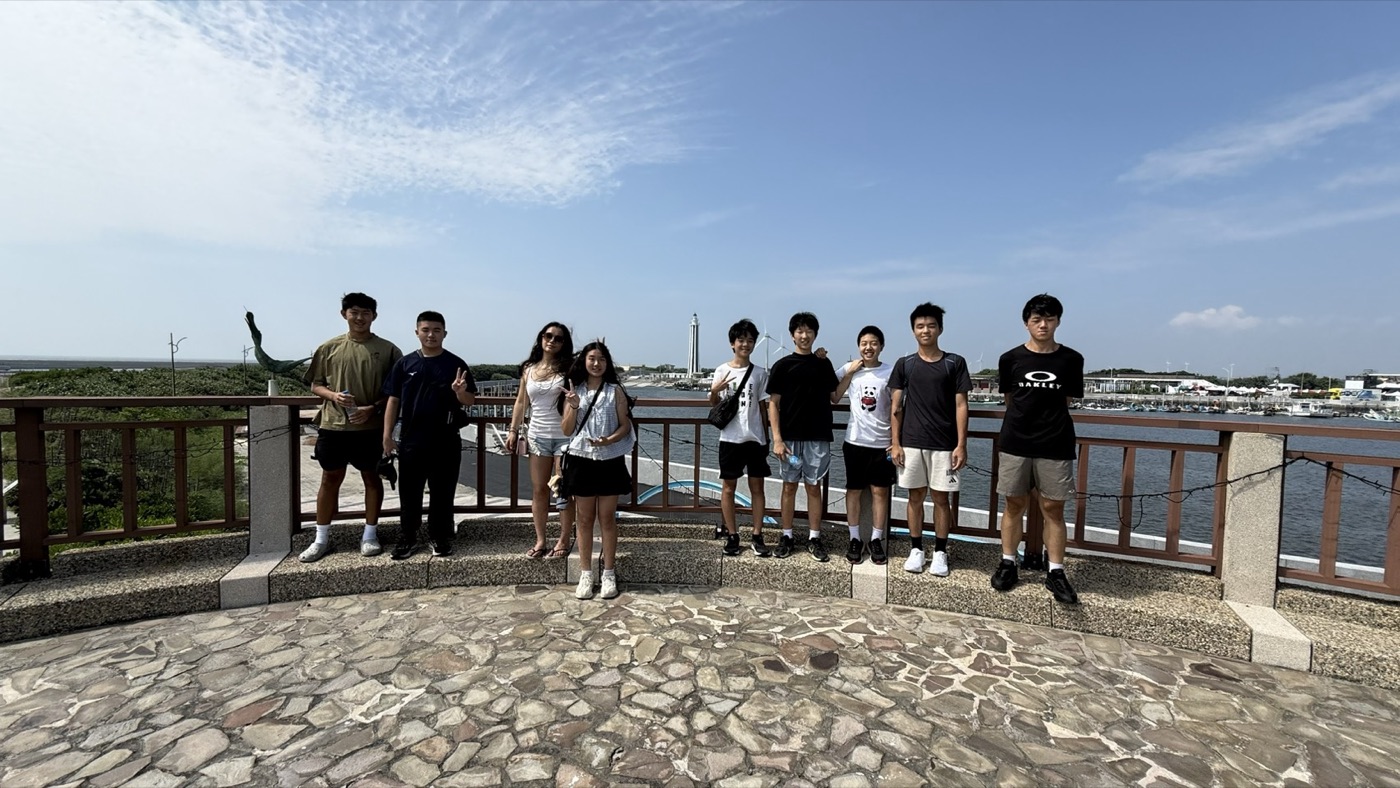
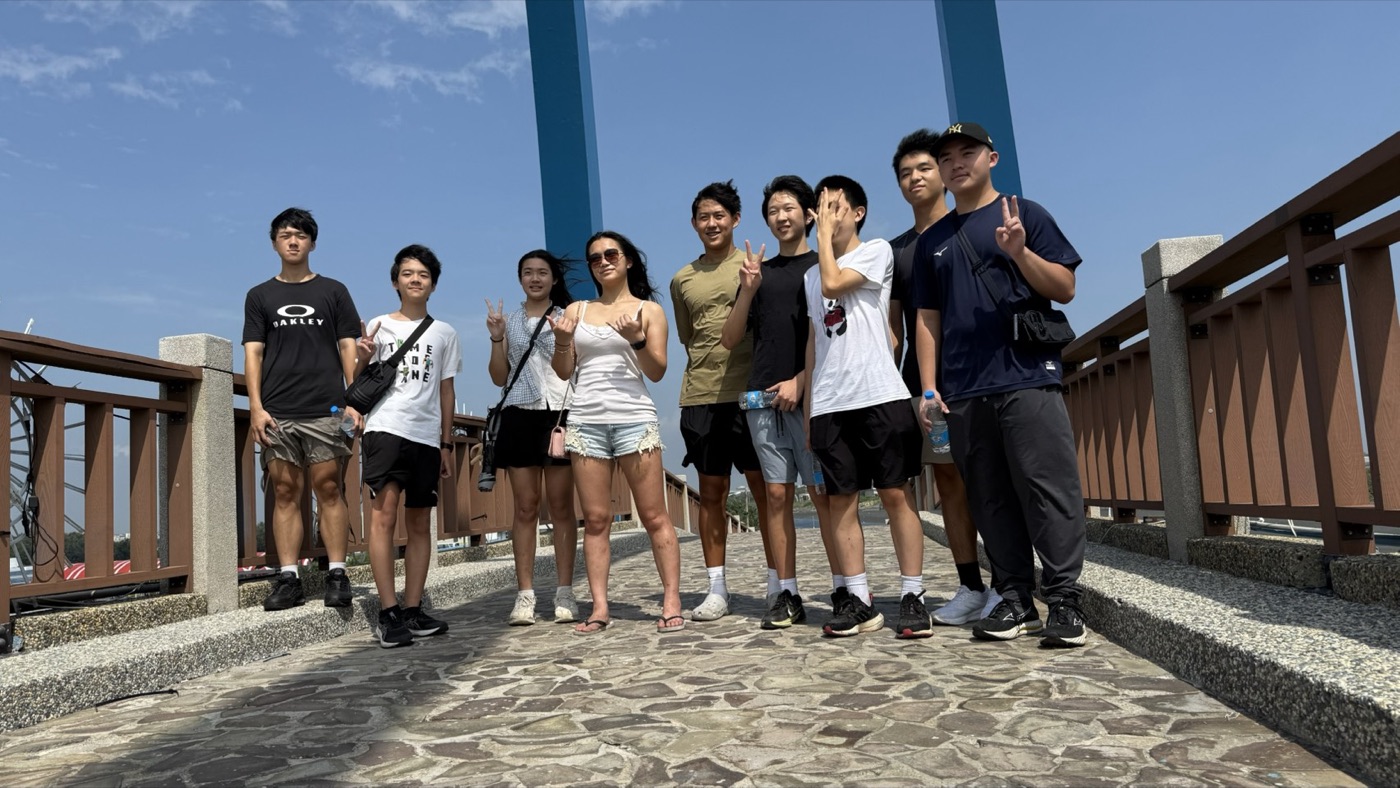
Classrooms, workshops, an archery range, a night market and the coast — the week as the students lived it.教室、工作坊、射箭場、夜市與海線——這一週的三十三個片刻。
In their own words
From the feedback form the volunteers and their parents filled in after the trip — all eleven said they would recommend the program to a friend.摘自志工與家長在行程結束後填寫的回饋表,十一位全數表示會推薦給朋友。
Being able to talk to the kids and get to know them better while teaching them. I felt like I made friends there despite staying for only a short time.
I loved meeting the students and talking to them and making new friends. I am still in contact with some of them today.
I liked how I got to meet people my age who live very differently from me. It was very cool.
Riding motorcycle to track in the morning to run with host family dad.
Connecting with the high school students from a different cultural background.
I like that we met elementary students and high school students and we also changed to a different high school halfway through the week.
We’ve seen Mark grow through helping others, and we’ve also seen how deeply grateful he is for the people and experiences in his life.
Everything was thoughtfully planned and beautifully designed. The hosting families were amazing. It was a wonderful experience to my two sons.
Reflection
This August, students from the CCC Chinese School in New York came to Taiwan for a week of cultural exchange. On the surface, it was an international education program. But to me, it was also something more: a journey of people coming closer to one another, learning to understand one another, and helping one another grow.
These students crossed distance, language, and culture to enter Taiwanese schools and homes. They did not come only to visit Taiwan, or only to learn Chinese language and culture. More importantly, they came into situations where they could connect with people, receive kindness, and share what they themselves had to offer.
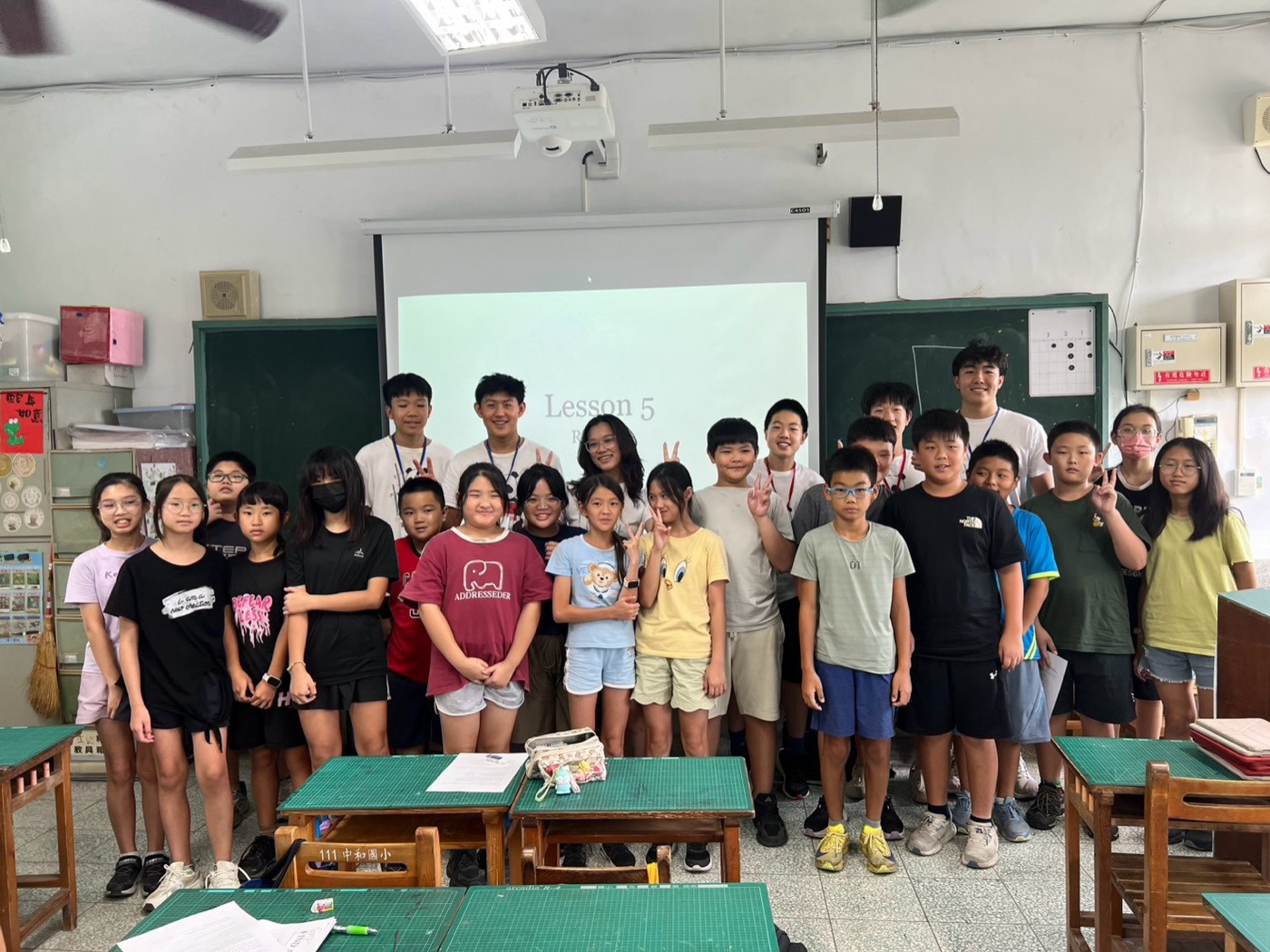
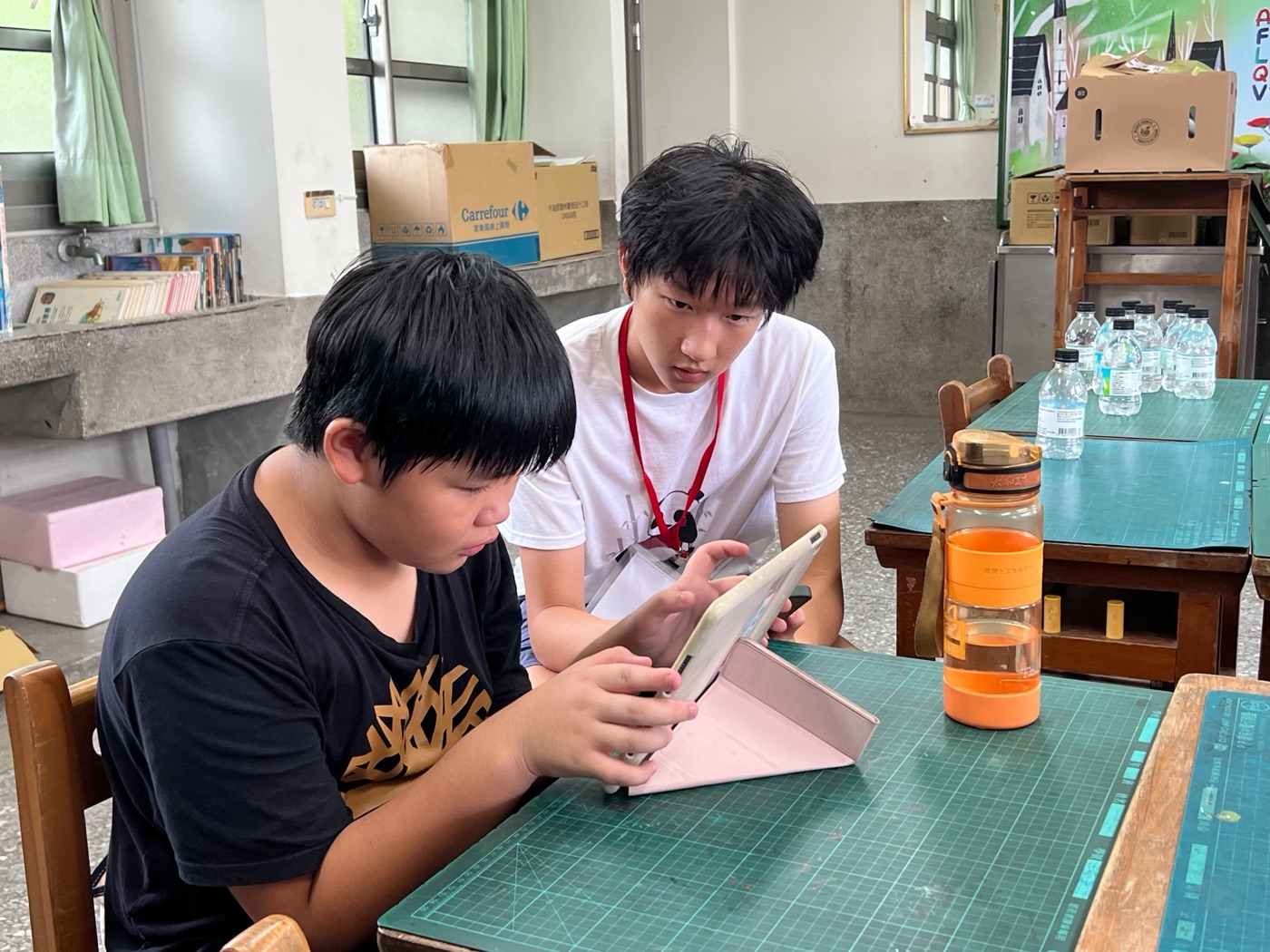
On the morning of August 3, the high school students visited Jhonghe Elementary School and helped younger children learn English. They prepared lessons based on everyday topics and used interactive games to make English feel natural, friendly, and fun.
To me, this was not just an English class. It was a sincere act of sharing.
For the elementary school students, learning English with older students from the United States was a fresh and memorable experience. English was no longer just vocabulary in a textbook or sentences on a worksheet. It became a real tool for communication, a way to meet people from another part of the world. When children discover that language can connect them with someone beyond their own surroundings, learning becomes more than preparation for a test. It becomes a window to the world.
For the New York students, this was also an important learning experience. Through teaching, they saw their own abilities in a new way. The English they use every day could help younger children in Taiwan. They were not simply guests visiting another country; they could also be people who brought something meaningful to others.
Some of the most beautiful moments in education happen this way. When a young person realizes that he or she can have a positive influence on someone else, that young person begins to see the purpose of learning differently. Knowledge is not only for personal achievement. It can also be used to encourage, support, and brighten the lives of others.
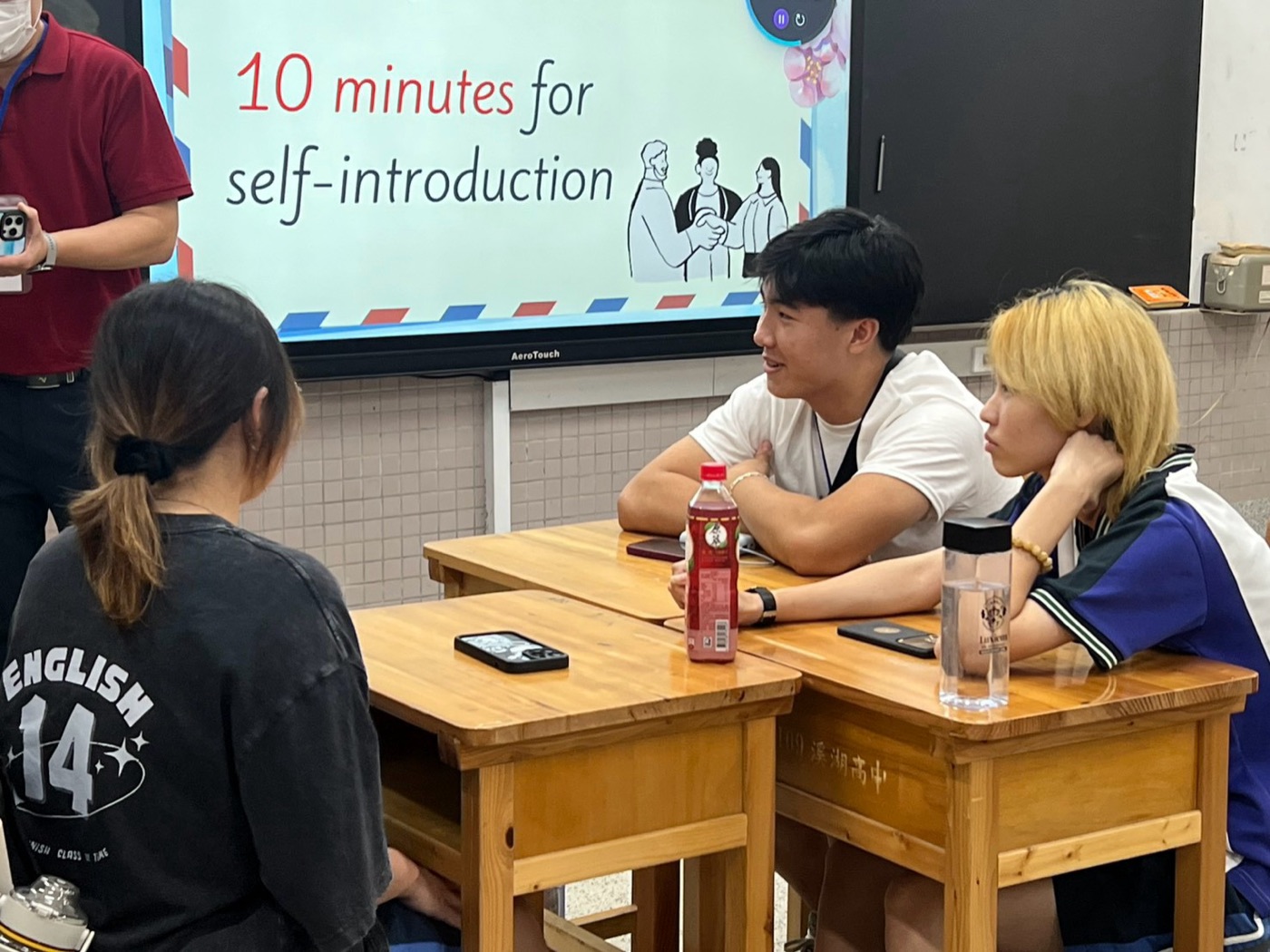
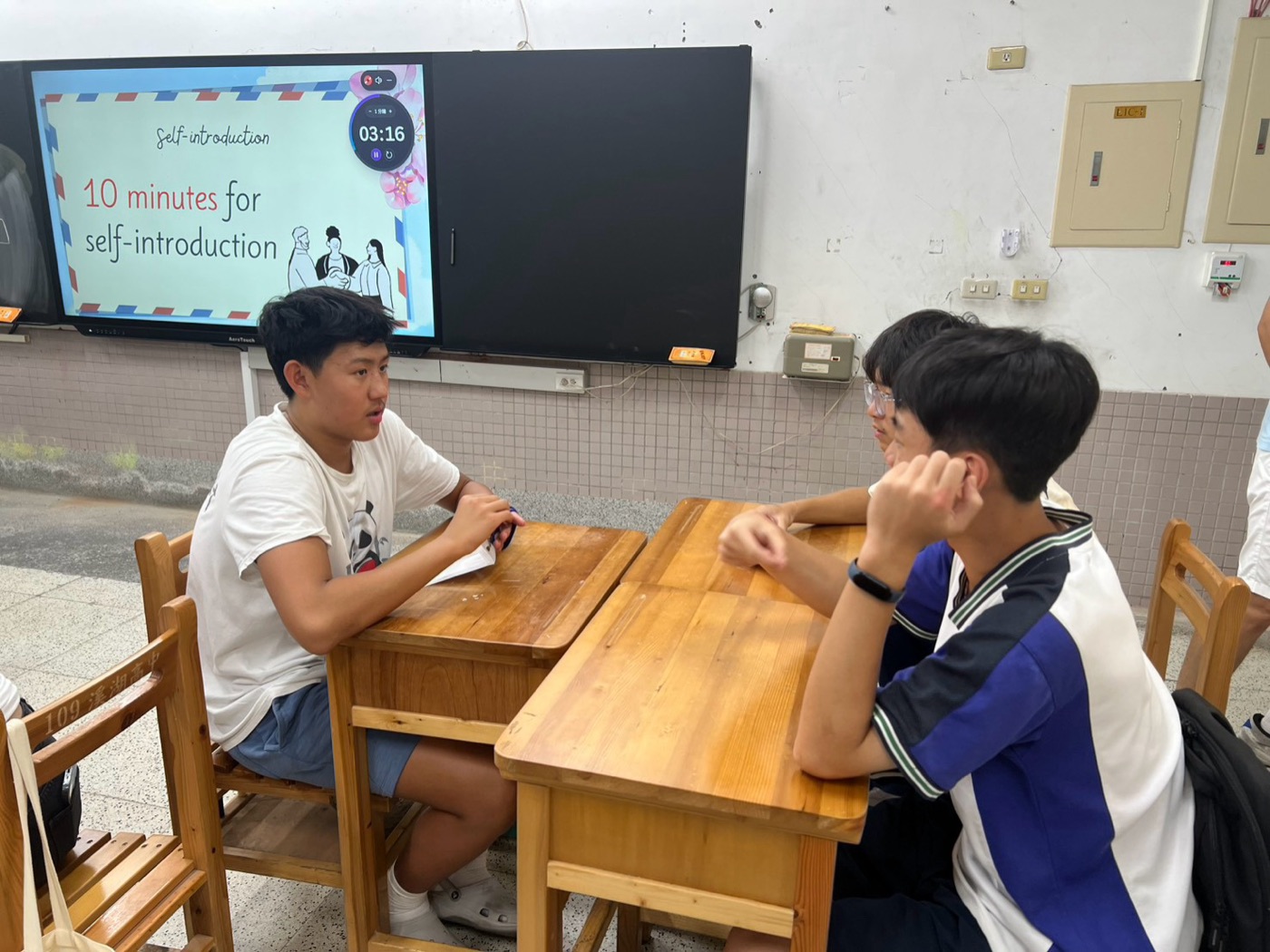
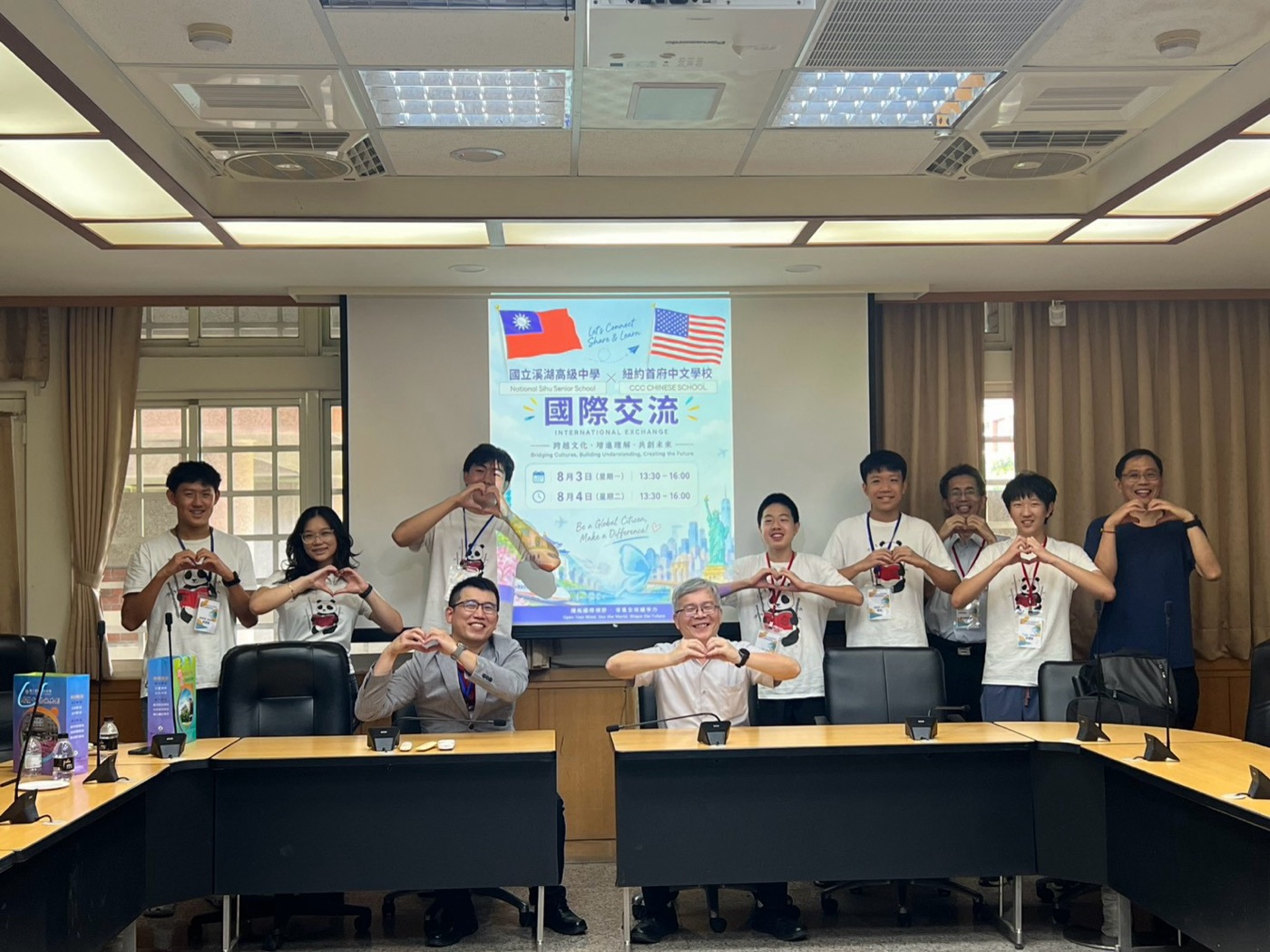
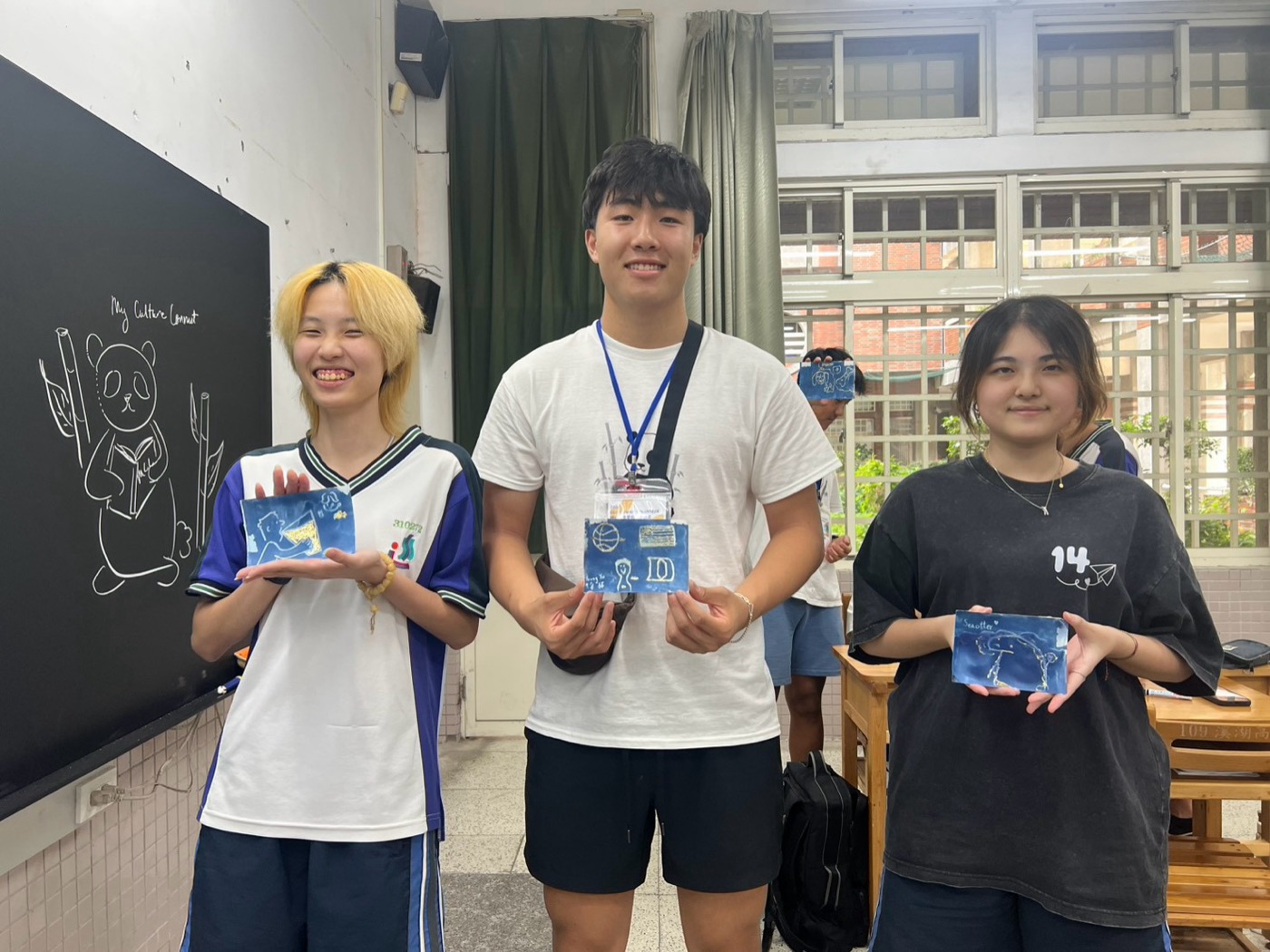
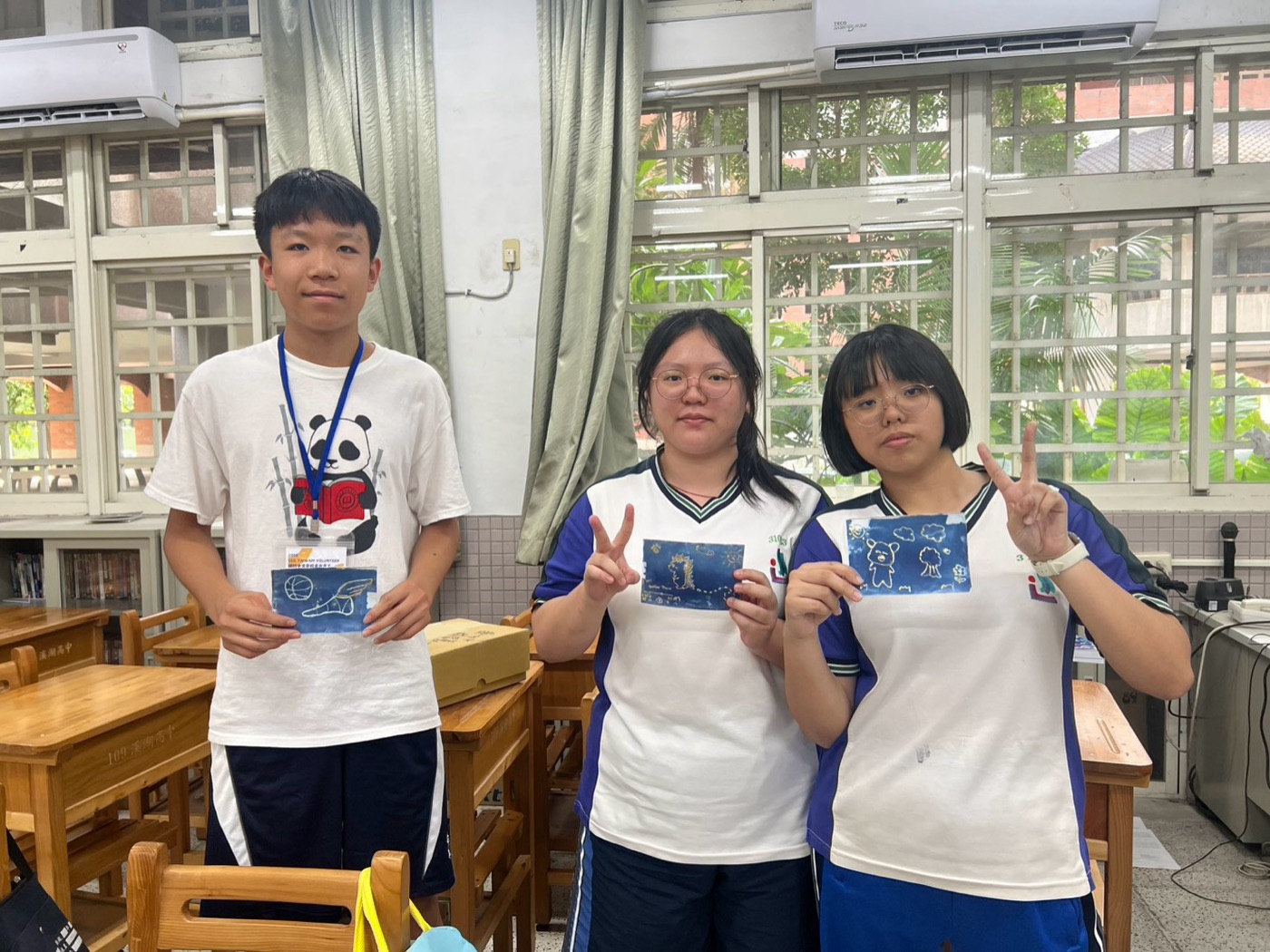
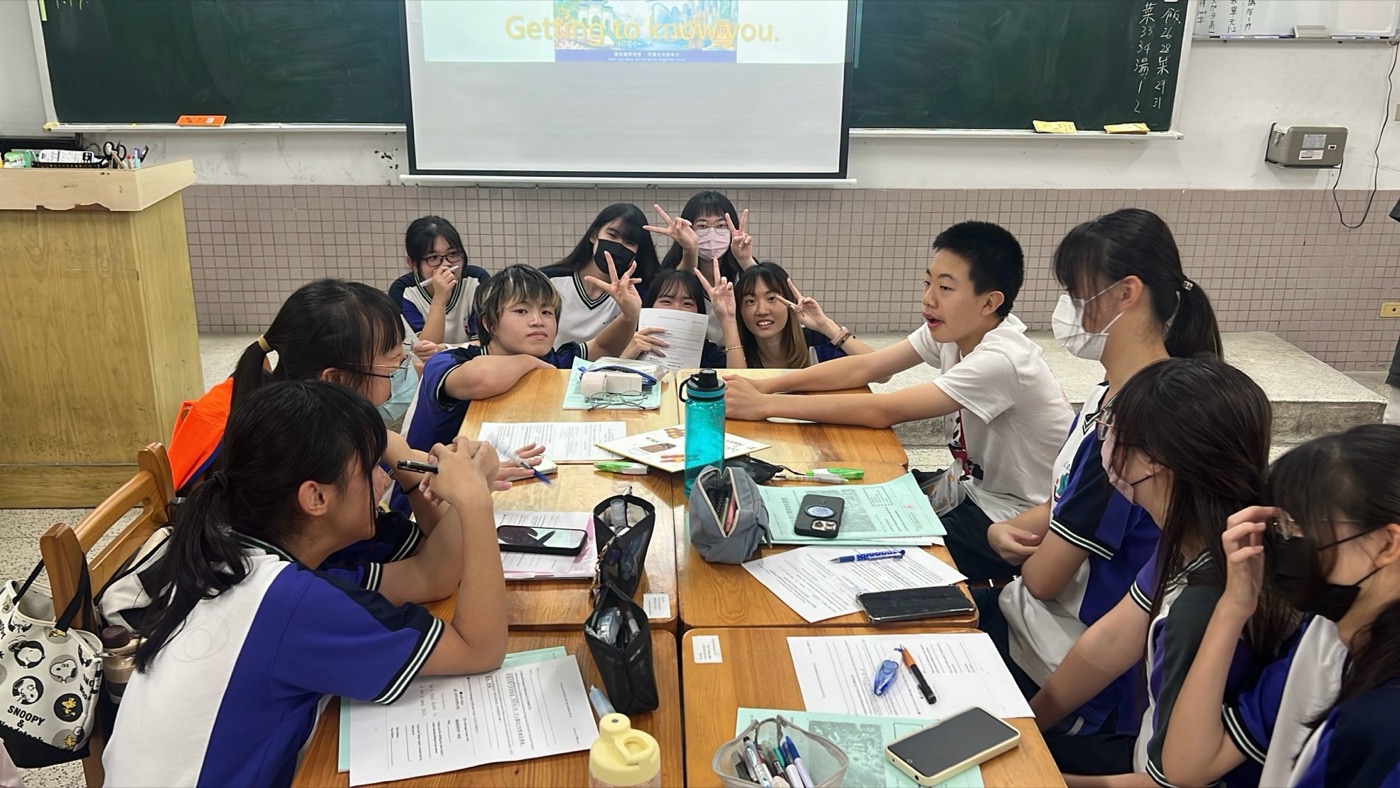
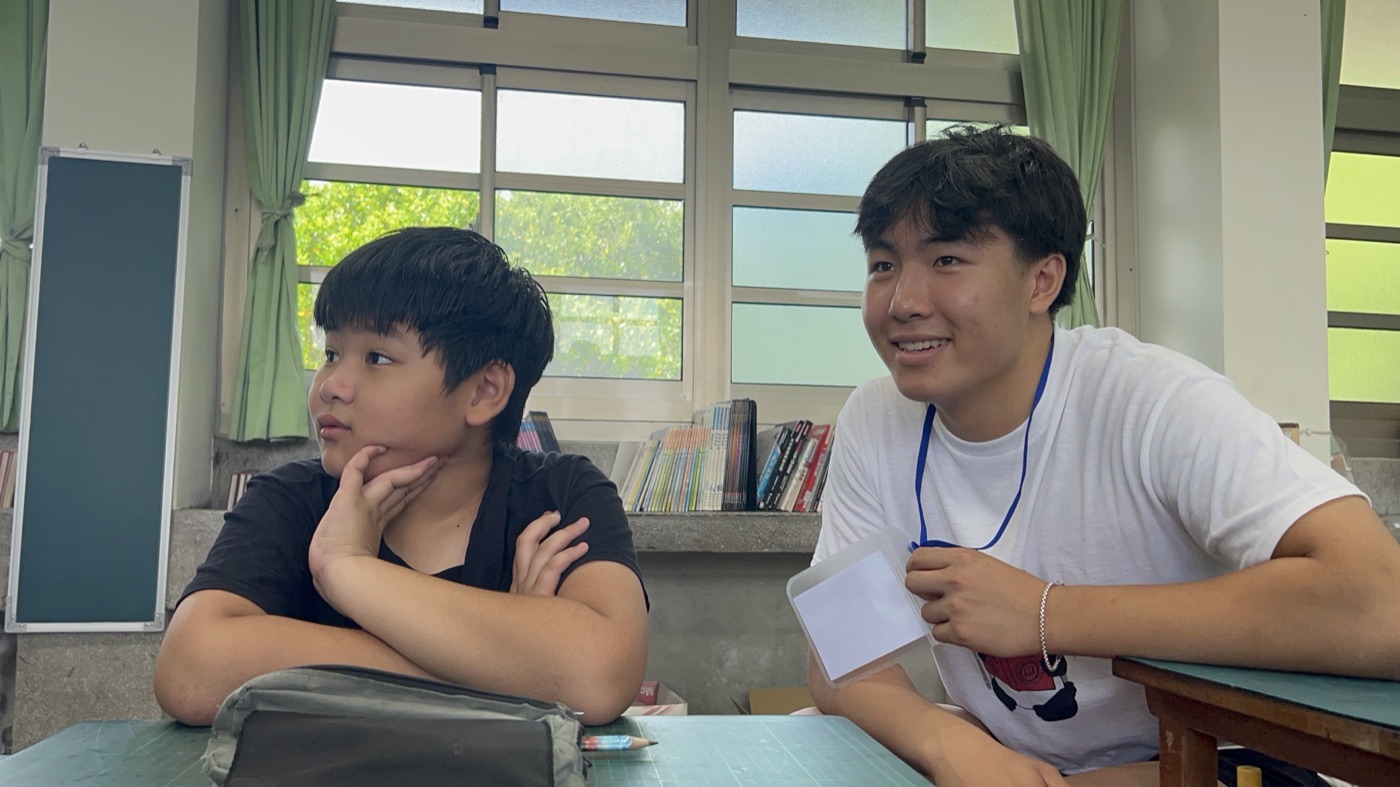
Later that day at Sihu High School, students from Taiwan and the United States worked together to create blueprint postcards they could bring home. As they made them, they talked, laughed, and slowly became more comfortable with one another. The next day, they continued in small groups, discussing school life and cultural differences between Taiwan and the United States. Questions were asked, ideas were exchanged, and laughter filled the room.
Real cultural exchange is not one side presenting its culture while the other side simply watches. It is not treating another person as something unusual or exotic. Real exchange happens when people ask sincere questions, listen carefully, and try to understand one another. When young people are willing to speak, and also willing to listen, the distance between hearts becomes smaller.
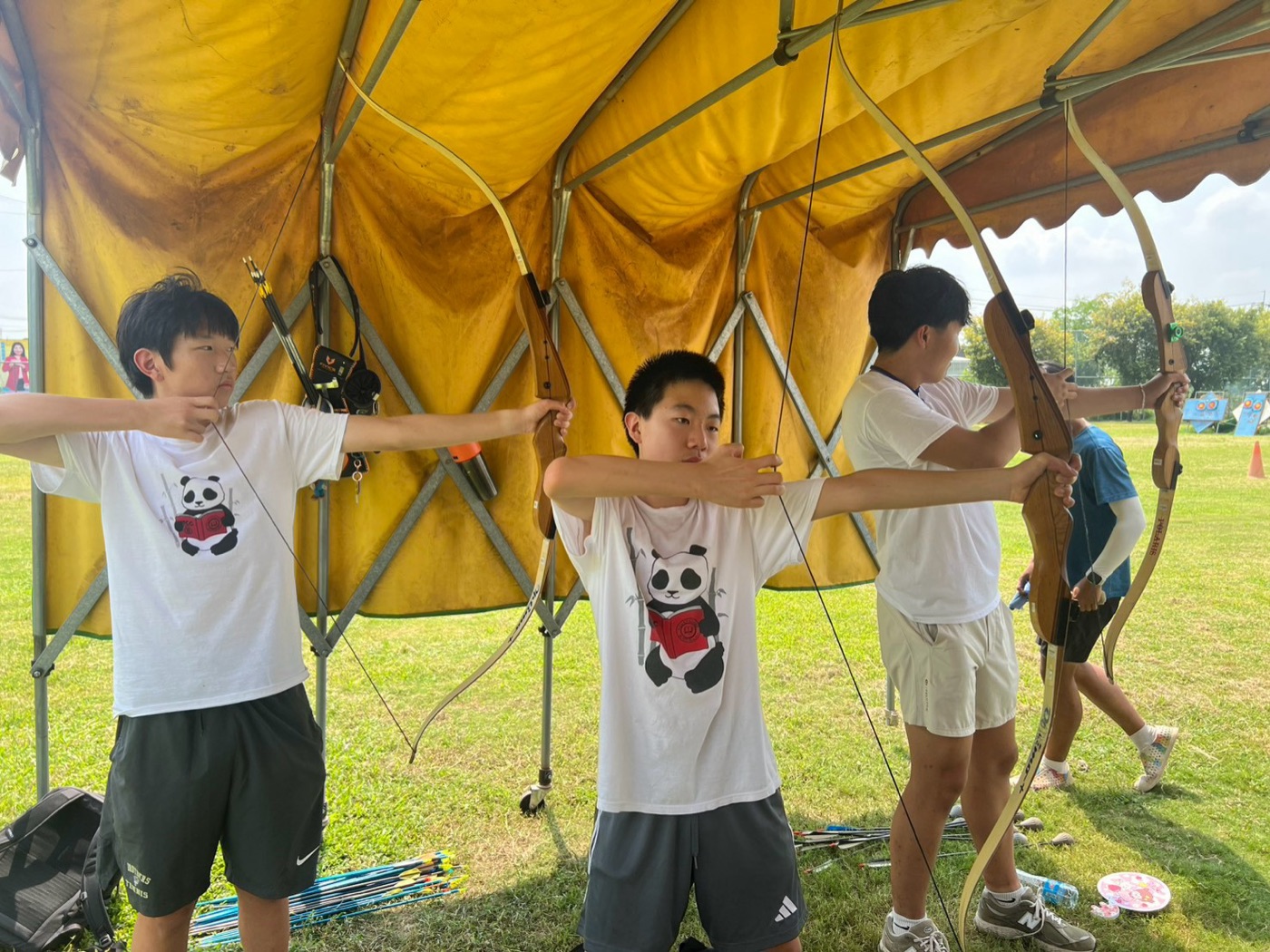
The students also visited Tianzhong High School, where they tried archery and martial arts. For many of the American students, archery was a new experience. In the martial arts session, they practiced basic movements and partner drills with members of the school’s martial arts team. Everyone worked hard, sweat a lot, and enjoyed themselves.
At first glance, these may seem like simple cultural activities. But they also contain a deeper kind of learning. To try something unfamiliar, students have to let go of the fear of making mistakes. They have to accept guidance. They have to cooperate with others. In that process, the mind becomes more open, and the heart gains a little more courage in facing the unknown.
Beyond the school activities, one of the most moving parts of the exchange was the hospitality of the host families.
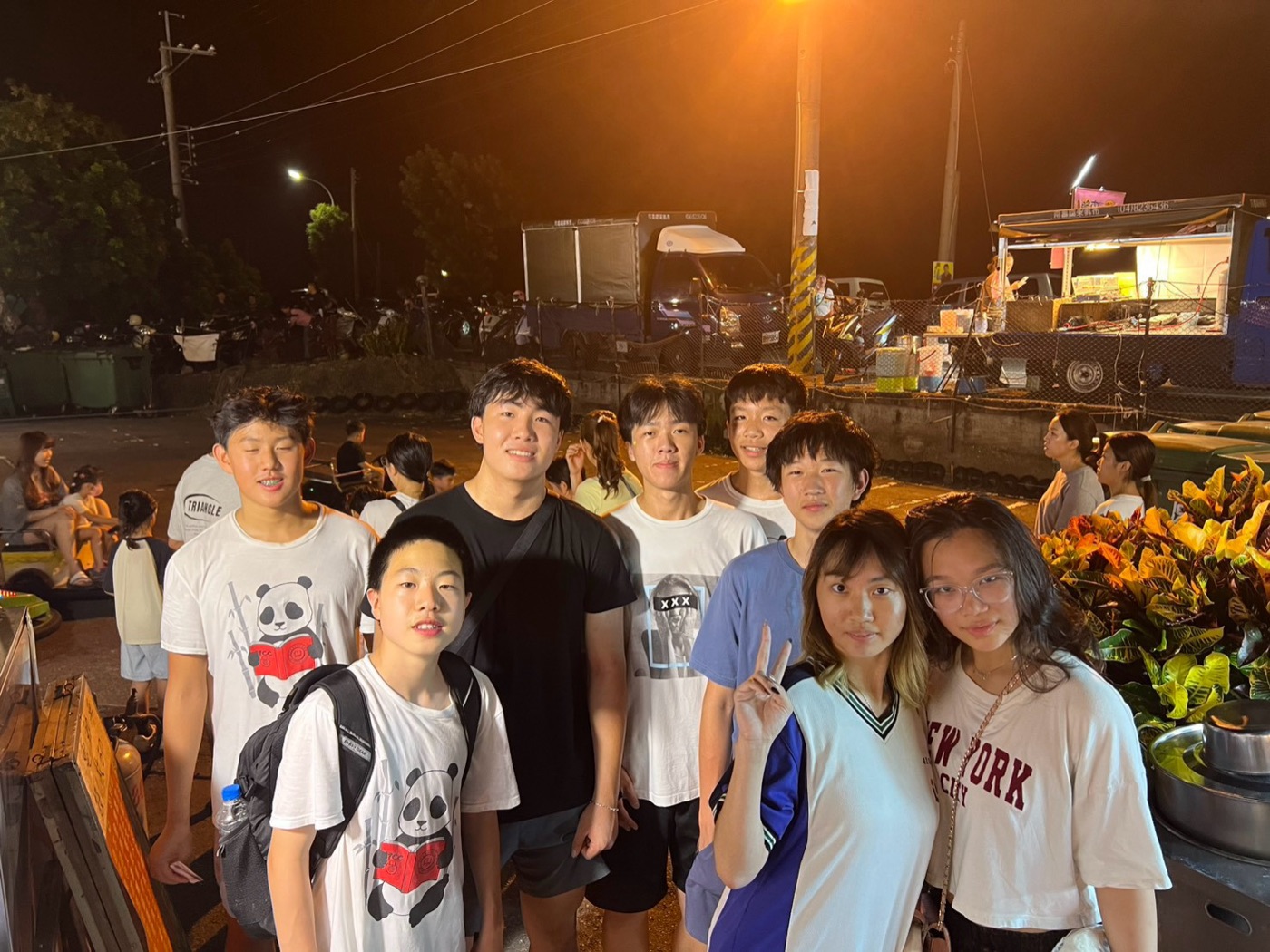
Several Taiwanese families thoughtfully planned local experiences for the visiting students. Some took them to enjoy Taiwanese snacks, mochi rolls, shaved ice, and other local foods. Some brought them to night markets or gyms. For these young people far from home, the host families provided more than a place to sleep. They offered warmth, care, and the feeling of being welcomed into a home.
Opening one’s home to a student from another country takes real thoughtfulness. It means arranging transportation, preparing meals, paying attention to daily habits, and helping a young person adjust to an unfamiliar environment. These things may look ordinary, but they are not small. Every meal, every ride, every simple word of care carries the kindness and attentiveness of a Taiwanese family.
Because of the host families, the students’ experience in Taiwan was not limited to classrooms and scheduled visits. They entered real Taiwanese life. They did not only see places in Taiwan; they experienced the warmth of Taiwanese people. They did not only learn about culture; they felt trust, care, and human connection.
This exchange could not have been completed by one person alone. It was made possible by the CCC Chinese School, My Culture Connect, the host schools in Taiwan, teachers, volunteers, students, parents, and host families. Each person and each group contributed something. Because so many people were willing to share responsibility, this exchange gained both warmth and depth.
We often hope that children will gain knowledge. But beyond knowledge, children also need to learn gratitude and sharing. When American students taught English to Taiwanese elementary school children, they experienced the joy of service. When Taiwanese families welcomed American students, they showed kindness and openness. When students from both sides studied, played, ate, and laughed together, they planted seeds of friendship in one another’s hearts.
These seeds may not sprout right away.
Years from now, one student may remember being warmly welcomed by a family in Taiwan. One Taiwanese child may remember the first time he or she dared to speak English with a foreign friend. One American student may remember that, during a trip to Taiwan, he or she once used English to help younger children far away from home.
The deepest power of education is often not visible immediately. It leaves a direction in the heart. When young people have received kindness and have also offered kindness, they are more likely to reach out when someone else needs help.
This visit from the CCC Chinese School reminded me that cultural exchange, if it is only an exchange of information, remains limited. But if it helps young people learn respect, gratitude, sharing, and understanding, then it becomes an experience that can truly shape a person.
A meaningful education is not only about helping children know more. It is about helping their hearts become softer, more open, and more willing to care for others.
That is what this exchange did. It planted seeds of goodwill in the hearts of the children.
The volunteers
Six student volunteers from CCC School.
Student volunteers
Pupils · grades 5–6
Teaching groups
Daily schedule
Mornings teaching at Jhonghe Elementary; afternoons out across Changhua — school exchanges and a coastal trip.
| Day | Morning | Afternoon |
|---|---|---|
| MonAug 3 | Jhonghe Elementary · 9 a.m.–12 noon20 pupils (rising grades 5–6), two groups. | Xihu Senior High · 2–4 p.m.Exchange with high-school students. |
| TueAug 4 | Jhonghe Elementary · 9 a.m.–12 noon20 pupils (rising grades 5–6), two groups. | Xihu Senior High · 2–4 p.m.Exchange with high-school students. |
| WedAug 5 | Jhonghe Elementary · 9 a.m.–12 noon20 pupils (rising grades 5–6), two groups. | Tianzhong Senior High · 2–4 p.m.Exchange with 9th-grade students. |
| ThuAug 6 | Jhonghe Elementary · 9 a.m.–12 noon20 pupils (rising grades 5–6), two groups. | Tianzhong Senior High · 2–4 p.m.Exchange with 9th-grade students. |
| FriAug 7 | Jhonghe Elementary · 9 a.m.–12 noon20 pupils (rising grades 5–6), two groups. | Fangyuan west coastWanggong Lighthouse, the sea-sky skywalk & Putian Temple — with local oyster fritters (o-a-tsian). |
The week ahead
From Monday, August 3 to Friday, August 7, 2026, the volunteers spend their mornings — 9:00 a.m. to 12:00 noon — as English-teaching helpers at Jhonghe Elementary School in Pitou Township, Changhua. They work with 20 local pupils entering grades 5 and 6, divided into two groups. In the afternoons they head out across Changhua — two days meeting students at Xihu Senior High, two at Tianzhong Senior High, and a closing trip to the Fangyuan coast.
Program at a glance
Aug 3 – Aug 7, 2026
Monday through Friday — five service days.
Jhonghe Elementary School, Pitou Township.
20 pupils entering grades 5–6, in two groups.
Mornings, 9 a.m.–12 noon — volunteer English teaching.
Afternoons — high-school exchanges & a west-coast outing.
Getting around
All volunteers are picked up and dropped off at Changhua HSR Station in Tianzhong Township. Host families are spread across three nearby townships; the teaching school is a short drive from the Beidou cluster.
志愿者统一在彰化高铁站(田中镇)接送。接待家庭分布在附近三个乡镇,教学学校距北斗接待区约15分钟车程。
Changhua HSR, Tianzhong Township — central pick-up & drop-off for all volunteers.
彰化高铁站(田中镇),全体志愿者统一接送地点。
北斗 Beidou ×3 · ~12 min
埔心 Puxin ×1 · ~20 min
田尾 Tianwei ×1 · ~12 min
All times from HSR · 以上均为距高铁站车程
Pitou Township — ~15 min from the Beidou host cluster.
埤头乡,距北斗接待家庭约15分钟车程。
Getting here
From Taoyuan International Airport, the journey to Changhua HSR Station takes around 75–90 minutes total and requires two legs: the Airport MRT to HSR Taoyuan Station, then the High Speed Rail south to Changhua.
从桃园国际机场到彰化高铁站全程约75–90分钟,分两段:先搭机场捷运至高铁桃园站,再转乘台湾高铁南下至彰化站。
After collecting your luggage, follow green MRT / 捷运 signs — they are posted throughout both Terminal 1 and Terminal 2. No need to exit the building; the MRT platform is connected directly inside.
取完行李后,跟着绿色捷运 MRT指标走,T1、T2 两个航厦内部都有直通月台,不需要出航厦大楼,走廊跟着走就到了。
✈ You are at: T1 (A12) or T2 (A13) · 第一或第二航厦At the ticket machines, select HSR Taoyuan Station (高鐵桃園站 · A18). Fare from T2 is about NT$35. You can also tap an EasyCard (悠游卡) directly at the gate.
在自动售票机选择目的地 高铁桃园站(A18),从 T2 出发票价约 35元台币;也可直接用悠游卡刷卡进站。
Two types of train stop at the airport. The Direct Train (直達車) is purple and only stops at airport terminals and a few major stations — it reaches HSR Taoyuan in about 17 minutes. The Commuter Train (普通車) stops everywhere and takes ~35 min.
月台上会来两种车:直达车(紫色,只停大站)约 17分钟 到高铁桃园站;普通车(红色,站站停)约需 35 分钟。
Watch the electronic display inside the car — it shows the current station and next station. The stop right before HSR Taoyuan on the commuter train is Linghang (領航, A17). When you hear the announcement "下一站,高鐵桃園站" (Next stop: HSR Taoyuan), get ready to exit.
留意车厢内电子显示屏,它会显示目前站与下一站。坐普通车时,高铁桃园站(A18)的前一站是领航站(A17)——听到广播「下一站,高鐵桃園站」就准备下车。
Exit the MRT and follow red 高鐵 HSR signs upstairs to the HSR ticketing hall. At the kiosk or counter, select Changhua (彰化) as your destination. Any southbound train (toward 左营 Zuoying) stops at Changhua. The ride takes about 50–60 minutes.
出捷运站跟红色高鐵指标上楼进售票大厅,在自动售票机或柜台选彰化。所有南下(往左营方向)的列车都停彰化站,车程约 50–60分钟。
The station before Changhua on the HSR is Taichung (台中). After Taichung, the next stop is Changhua (彰化) — get ready to exit. The station is in Tianzhong Township and is clearly signed.
高铁彰化站的前一站是台中站。过了台中下一站就是彰化,请提前整理好行李准备下车。彰化站位于田中镇,站名标示清晰。
A My Culture Connect representative or your host family will be at the main exit. Please send us a message when your HSR train departs Taoyuan so we can time the pick-up perfectly.
人师教育协会代表或接待家庭会在出站口等您。请在高铁离开桃园站时传讯息给我们,这样我们可以掌握接站时间,不让您久等。
📍 You've arrived! Changhua HSR Station · 彰化高铁站 🎉